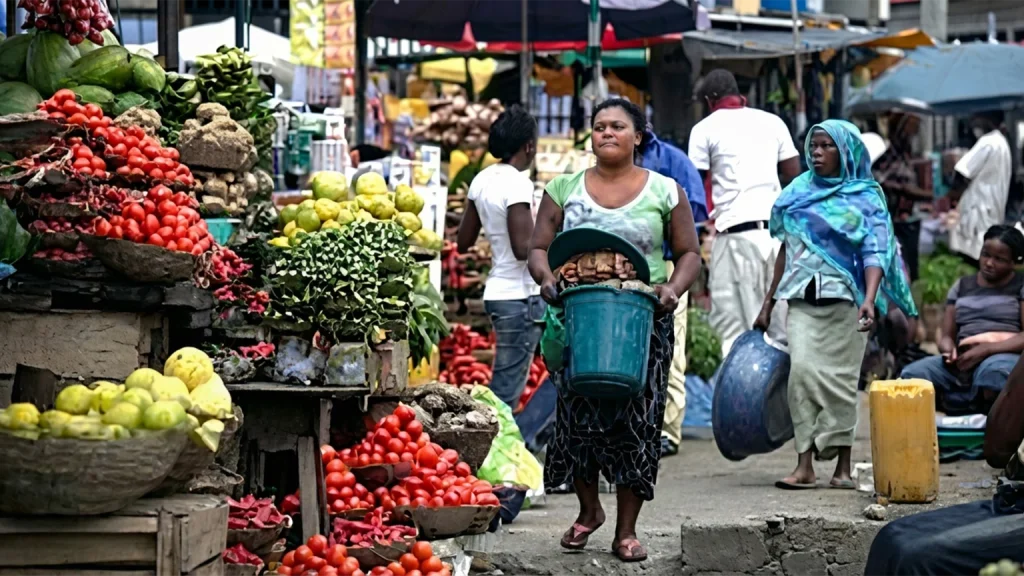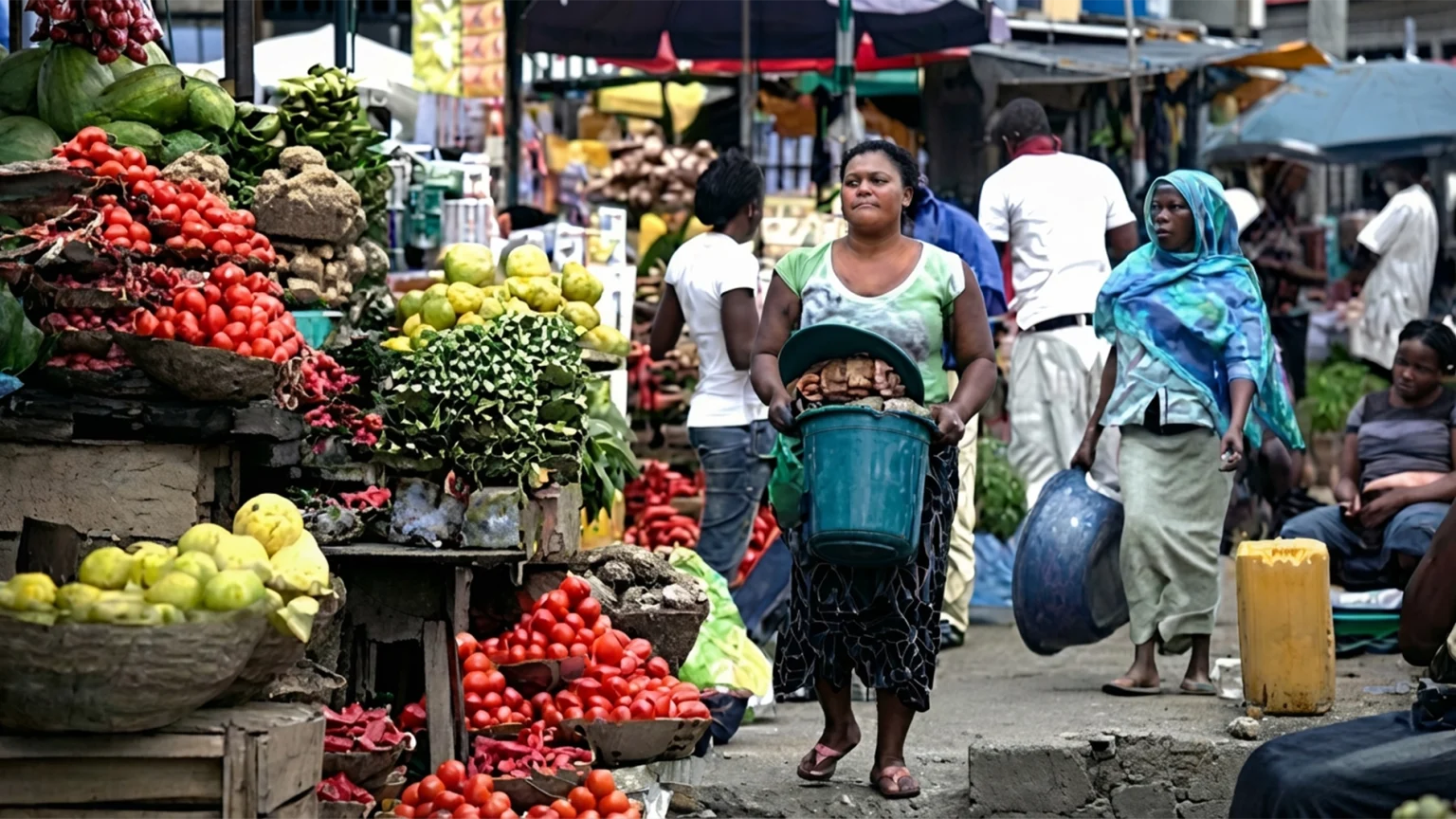
Nigeria’s economic recovery may not be enough to prevent more households from falling into deeper poverty, as millions of citizens continue to struggle with rising living costs and reduced purchasing power. Although recent economic indicators suggest improvements in some areas, many Nigerians are yet to experience a significant change in their daily living conditions. Persistent inflation, high food prices, unemployment and rising costs of essential services continue to place considerable pressure on households, particularly low-income families. Economic growth can provide a stronger foundation for development, but its benefits may remain limited if they do not translate into better incomes, more jobs and improved access to basic necessities. Analysts have therefore stressed the importance of policies that promote inclusive growth and protect vulnerable Nigerians from the effects of economic hardship. The country also faces challenges in strengthening social protection programmes, expanding productive employment and improving access to education, healthcare and affordable food. Small businesses, which provide livelihoods for millions of Nigerians, also require better access to finance, infrastructure and a stable business environment. Experts have warned that without sustained efforts to improve household incomes and reduce the cost of living, Nigeria could remain trapped in a cycle where economic growth occurs alongside widespread poverty. The government is expected to continue implementing economic reforms while seeking measures that can spread the benefits of recovery more broadly. Addressing poverty will require sustained investment, effective policies and stronger institutions capable of supporting long-term economic development.