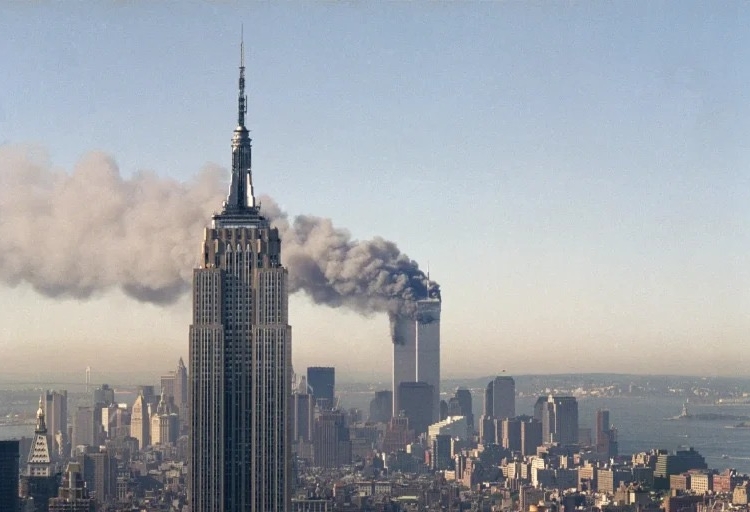
A distinguished bipartisan panel of U.S. national security experts and lawmakers has released a sweeping, hard-hitting report demanding immediate, radical updates to the nation’s counterterrorism architecture, marking the solemn approach of 25 years since the September 11 attacks.
The comprehensive review cautions that while traditional commercial aviation and large-scale coordinated hijackings have been heavily suppressed through decades of rigorous Transportation Security Administration (TSA) protocols and international intelligence sharing, the global threat landscape has fundamentally mutated. Modern adversaries, the panel argues, now leverage sophisticated cyberwarfare, decentralized online radicalization pipelines, and emerging artificial intelligence tools to target critical infrastructure from the shadows.
Key recommendations outlined in the dossier include overhauling federal inter-agency communication silos, tightening digital perimeter defenses around power grids and financial networks, and modernizing biometric screening parameters at international borders.
“The world of 2001 is unrecognizable today. While our post-9/11 defenses successfully prevented a repeat of those exact tragedies, we are now fighting a shadow war waged across fiber-optic cables and encrypted chat rooms. Standing still is not an option,” committee co-chairs warned during a joint congressional briefing.
As lawmakers prepare to debate the legislative framework on Capitol Hill, international allies are closely monitoring the proposals, recognizing that U.S. security paradigms heavily influence global counterterrorism standards.