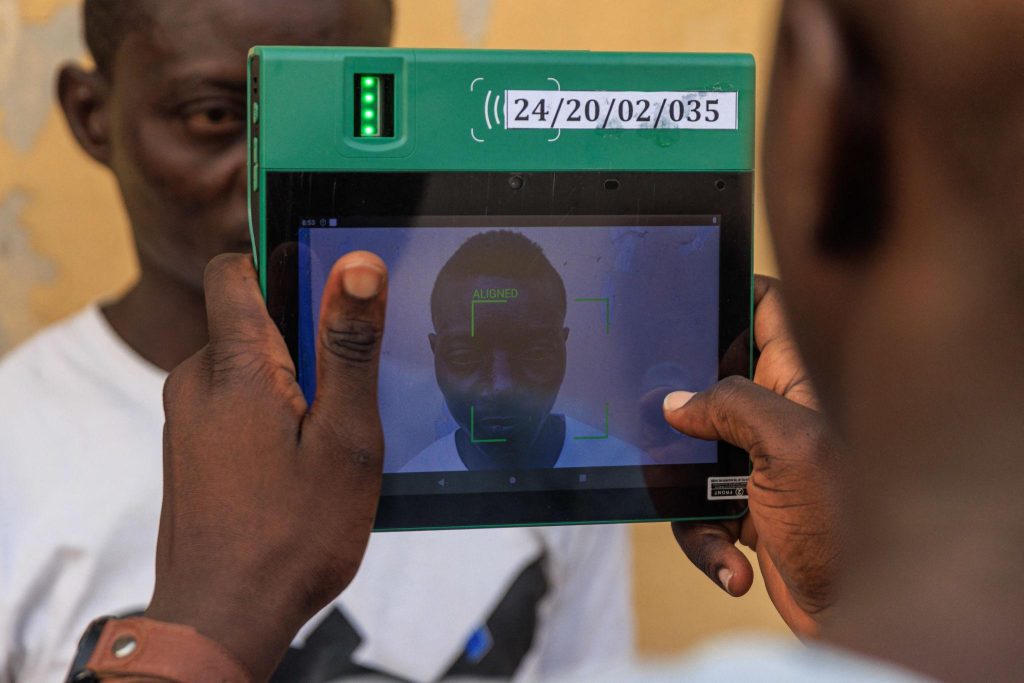
The Independent National Electoral Commission (INEC) has announced November 28, 2026, as the date for a nationwide mock accreditation and voting exercise ahead of Nigeria’s 2027 general elections.
The exercise is expected to test improvements to the Bimodal Voter Accreditation System (BVAS) and electronic results transmission, as the commission works to prevent a repeat of the technical and administrative problems that generated controversy during the 2023 elections.
INEC Chairman, Professor Joash Amupitan, disclosed the development while speaking at an election dialogue organised at Chatham House in London.
One of the major assurances from the commission is that only verified polling-unit results will be uploaded to the INEC Results Viewing Portal, popularly known as IReV.
According to the commission, additional verification measures will be introduced to ensure that election results are properly checked before transmission.
The new measures are expected to involve verification by party agents, strengthening confidence in the figures recorded at polling units.
This announcement is particularly important because electronic transmission of results became one of the biggest talking points following the 2023 presidential election.
Many Nigerians expressed dissatisfaction with the handling of the process, making electoral transparency a major issue ahead of the next general election.
The November 28 mock exercise will therefore provide an opportunity for INEC to identify possible technical problems before the real electoral battle begins.
The commission is also facing more than 300 pending court cases, demonstrating the legal challenges surrounding the preparations for the 2027 elections.
INEC has also assured Nigerians that it will obey relevant court decisions concerning the eligibility of political candidates, including former Vice-President Atiku Abubakar.
With the 2027 election approaching, Nigerians will be watching closely to see whether the commission can deliver a process that enjoys public confidence.
For many voters, the message is simple: they want their votes to count, their results to be protected and their choices to be respected.
The November 28 exercise may look like an ordinary technical test, but its outcome could have serious implications for public confidence in the next general election.