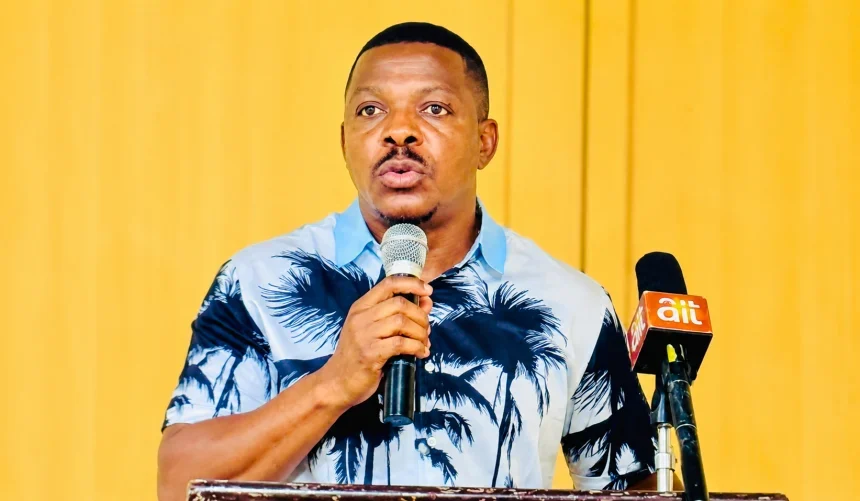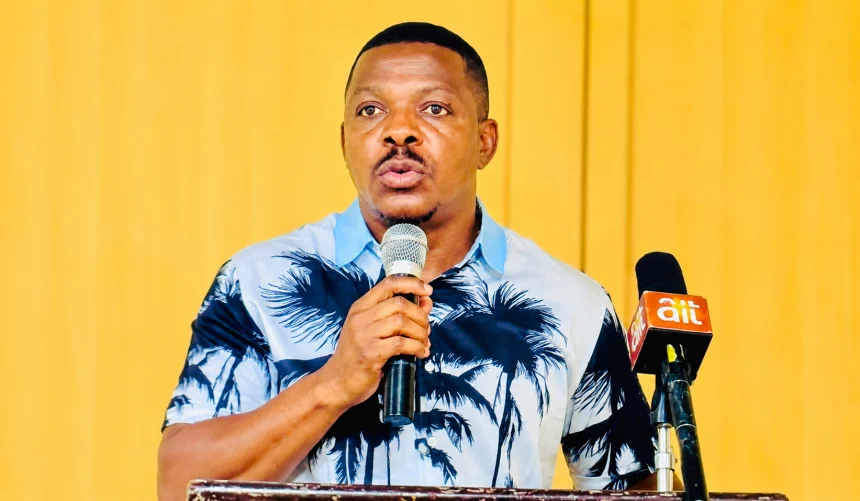
An Abuja-based politician has stirred public discussion after making a controversial comparison between Nigerians earning less than N300,000 and Almajiri children, arguing that the difference between the two groups is largely a matter of what is placed before them. The comment has drawn attention to the wider challenges surrounding poverty, income inequality and social welfare in Nigeria. The politician’s statement appears to highlight the economic difficulties faced by many Nigerians whose earnings are insufficient to meet rising household expenses. With the cost of food, transportation, housing and other basic necessities increasing, low-income workers and vulnerable families continue to face significant financial pressure. The reference to Almajiri also brings attention to the longstanding socioeconomic challenges affecting children and young people in northern Nigeria who participate in the traditional Almajiri education system. The system has historically involved children travelling away from their homes to study Islamic knowledge under teachers, while some face difficult living conditions and depend on public assistance. Over the years, governments and civil society organisations have introduced programmes aimed at improving access to education, healthcare, skills development and social protection for vulnerable children. The politician’s remark has therefore prompted questions about whether income levels should be used to compare the experiences of working adults with those of children living in poverty. Critics may view the statement as insensitive because of the different circumstances surrounding the groups, while others could interpret it as a warning about the depth of economic hardship confronting low-income Nigerians. The comment also comes amid broader discussions about the need to expand social protection and create better-paying employment opportunities. Nigeria’s large population and economic pressures have made poverty reduction a major policy concern. Economists and development experts often stress the importance of productive employment, affordable education, healthcare and targeted welfare programmes in improving living standards. For many households, earning an income below N300,000 does not necessarily indicate the same level of hardship because living costs, household size and location vary considerably. Nevertheless, the politician’s statement has renewed attention on the financial realities facing millions of Nigerians. It has also encouraged debate about the responsibility of government to reduce poverty and improve economic opportunities. As public reaction continues, the controversy highlights the importance of addressing poverty through policies that protect vulnerable people and create sustainable opportunities for individuals and families to improve their living conditions.