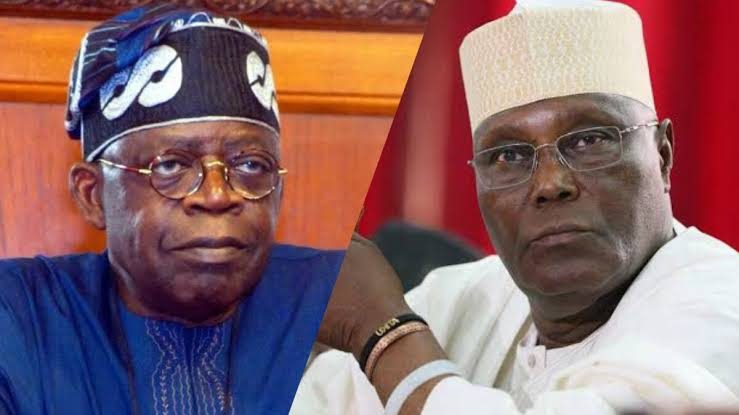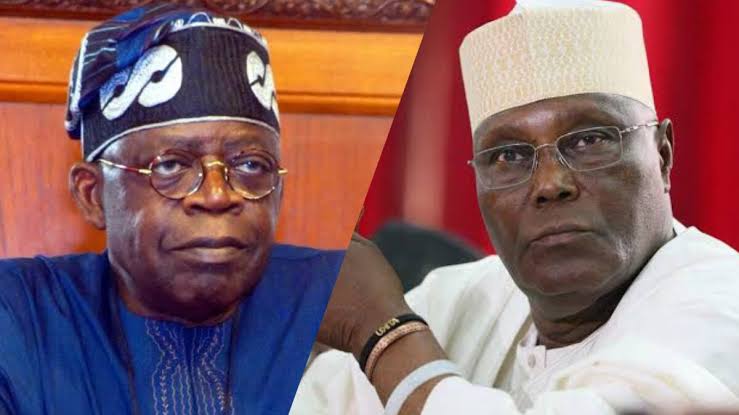
The African Democratic Congress, ADC, has challenged the ruling All Progressives Congress, APC, to engage in a public debate before Nigerians over the issue of petrol subsidy and the government’s management of the downstream petroleum sector. The opposition party said Nigerians deserve a clear explanation of the policies surrounding petrol pricing, subsidy removal and their effects on households and businesses. The challenge comes amid continuing public discussion about fuel prices and the economic pressure faced by Nigerians. Since the removal of the petrol subsidy, consumers have experienced significant changes in the cost of fuel, transportation and other goods and services. The government has defended the policy as necessary to reduce the financial burden of subsidising petroleum products and redirect public funds towards development priorities. Opposition groups, however, have continued to question the implementation and consequences of the reform, particularly its impact on ordinary citizens. The ADC’s call for a debate is aimed at bringing the competing positions into the open and allowing Nigerians to hear directly from political representatives. A public discussion could provide an opportunity to examine issues such as fuel pricing, domestic refining capacity, crude oil supply, petroleum imports, government spending and measures introduced to reduce the impact of higher fuel costs. It could also allow the parties to explain their alternative approaches to managing the petroleum sector. The debate would be particularly relevant as political parties prepare for the 2027 general election and seek to convince voters that their policies would improve economic conditions. Nigerians are likely to pay close attention to proposals concerning energy costs because petrol prices have a broad effect on transportation, food distribution, manufacturing and household expenses. Any meaningful debate would therefore need to go beyond political accusations and address the economic evidence behind each position. The APC and the Federal Government would have an opportunity to explain the reasoning behind existing fuel policies, while the ADC could present its alternative proposals. Whether the ruling party accepts the challenge remains to be seen. As political activity increases ahead of 2027, economic policies are expected to become major campaign issues. A direct debate could help voters compare competing positions and make better-informed decisions about the country’s economic direction.