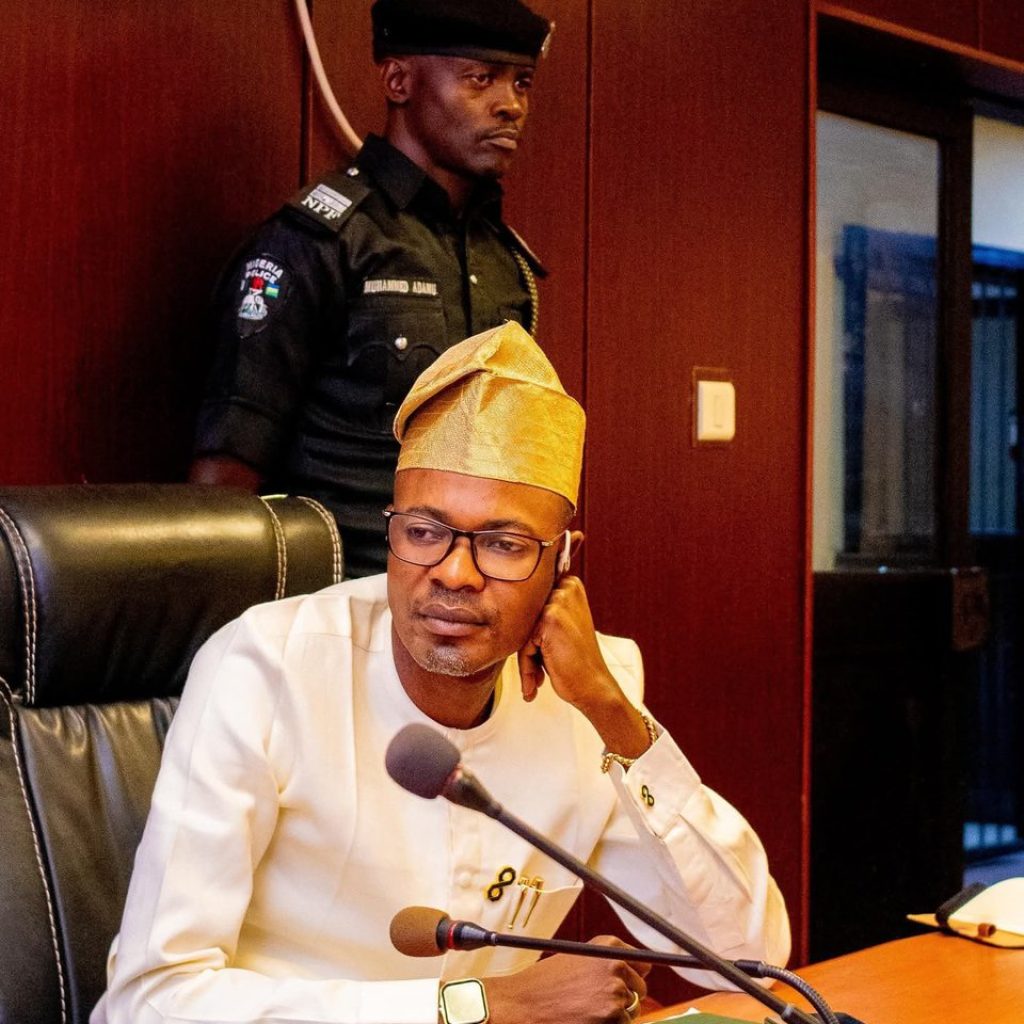
Adeniyi Adeyemi has disclosed that he borrowed N100 million in his pursuit of becoming the Director-General of the PFIPC, revealing the significant financial burden he says was associated with securing the appointment. Speaking about his experience, Adeyemi said the decision to obtain such a large loan reflected his determination to achieve the position despite the considerable personal and financial risks involved. He explained that the debt placed immense pressure on him and highlighted what he described as the high cost of seeking leadership roles in certain public institutions. His remarks have generated widespread public discussion, with many Nigerians expressing concern about the implications such claims could have for transparency, accountability, and integrity in public appointments. Political analysts and governance advocates have argued that allegations involving financial commitments linked to public office should be carefully examined by the appropriate authorities to ensure that recruitment and appointment processes remain credible and merit-based. They stressed that public institutions should operate under clear rules that promote fairness, equal opportunity, and public confidence. The disclosure has also renewed conversations about the need for stronger institutional reforms aimed at preventing practices that could undermine trust in government agencies and public administration. While reactions continue from different stakeholders, observers have called for due process and a thorough review of any claims that raise questions about official appointments. They emphasized that strengthening transparency and accountability in public service remains essential for improving governance and reinforcing citizens’ confidence in state institutions. The development has attracted significant public attention and is expected to remain a topic of discussion as more details and official responses emerge.