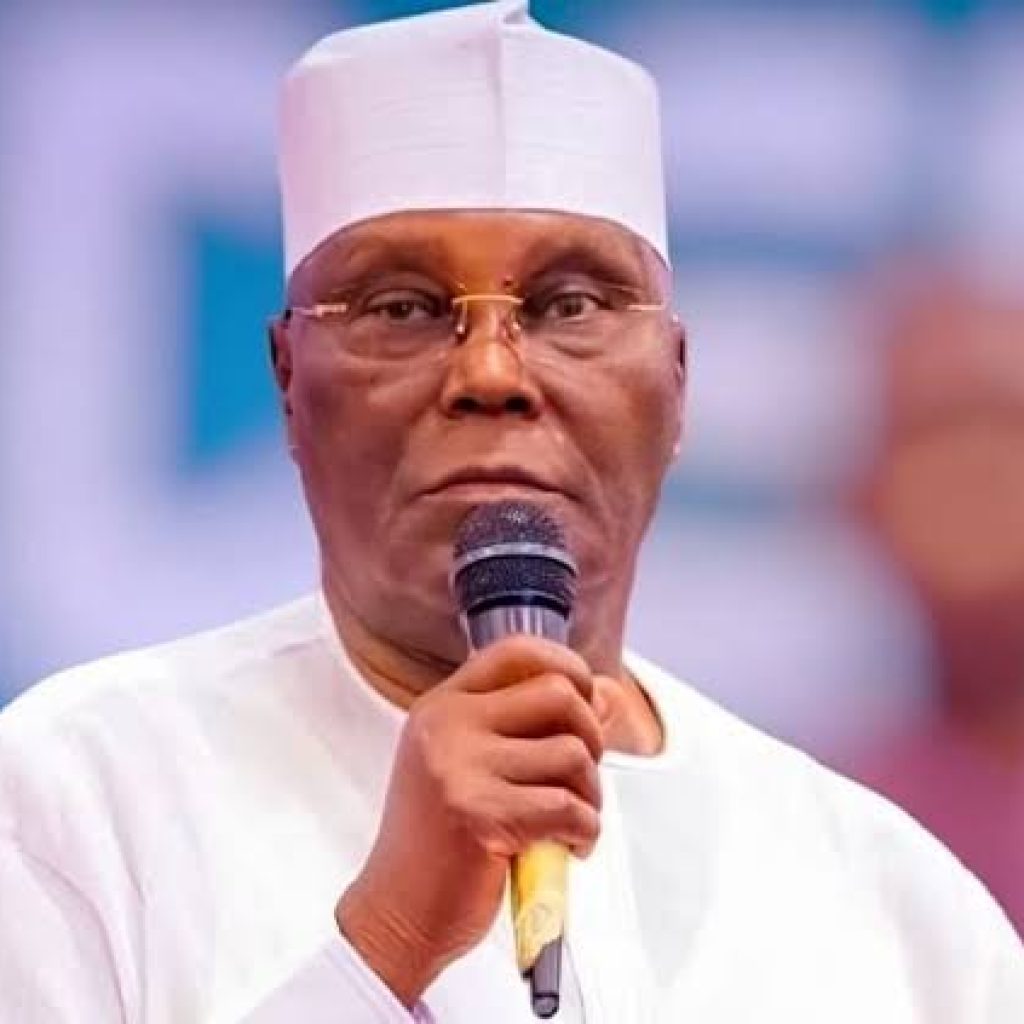
Former Vice President Atiku Abubakar has criticized the administration of President Bola Tinubu over reports of a ₦12.62 trillion debt, arguing that the level of borrowing raises serious concerns about the country’s fiscal management and long-term economic stability. According to Atiku, the growing debt profile reflects what he described as a loss of financial discipline and effective economic control, urging the Federal Government to adopt more prudent fiscal policies, improve public expenditure management, and prioritize sustainable economic reforms. He maintained that increased borrowing should be accompanied by greater transparency, accountability, and measurable investments capable of stimulating economic growth, creating jobs, and improving the welfare of Nigerians. Atiku also called for policies that would expand government revenue through economic diversification, support private sector development, strengthen non-oil exports, and reduce dependence on debt financing. His remarks have generated widespread reactions among political stakeholders, economists, and members of the public, with differing opinions on the country’s borrowing strategy and fiscal direction. While some analysts argue that borrowing can support infrastructure and development when properly managed, others emphasize the importance of maintaining sustainable debt levels and ensuring that borrowed funds are efficiently utilized. The debate has renewed public interest in Nigeria’s economic policies, budget implementation, debt management, and revenue generation strategies as the country continues to address inflation, unemployment, foreign exchange challenges, and broader economic reforms. As discussions continue, stakeholders have called for transparent public finance management, responsible borrowing practices, and long-term policies that promote economic resilience, investor confidence, fiscal sustainability, and inclusive national development while safeguarding the interests of future generations.