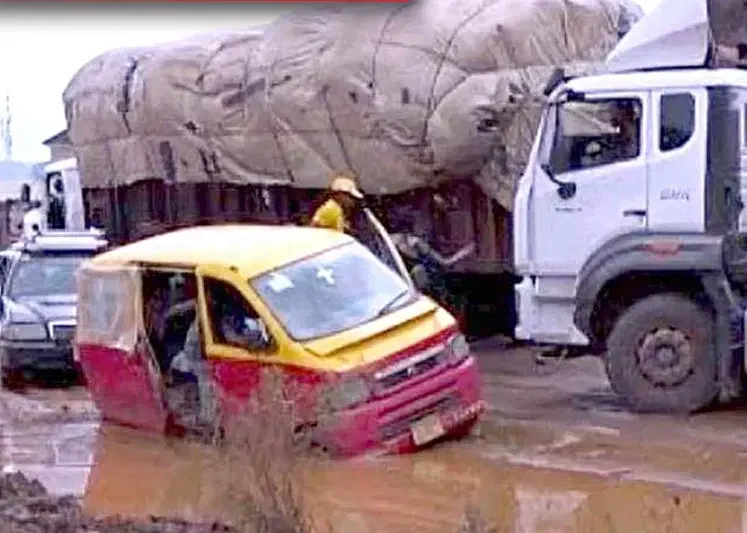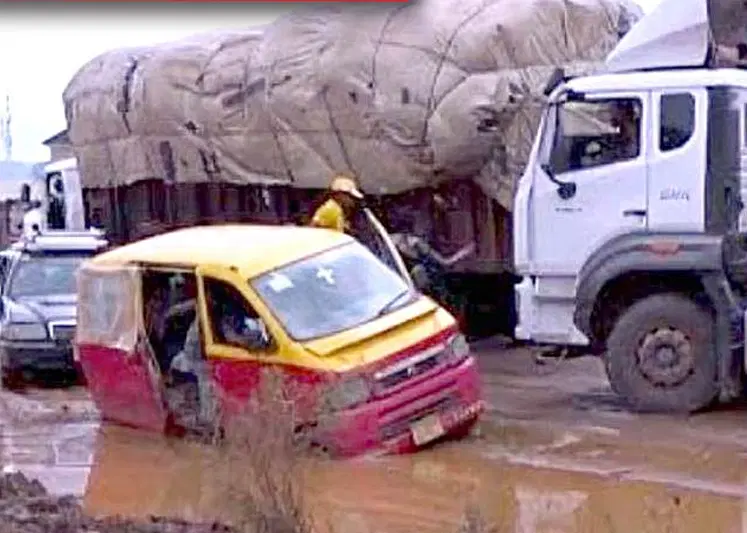
Motorists and passengers travelling along the Benin-Asaba Road are reportedly enduring serious difficulties, with some travellers spending as long as four days on the route because of worsening road conditions and heavy traffic. The situation has renewed concerns about the state of one of the major highways connecting Edo and Delta states. The Benin-Asaba corridor is an important transportation route used by commercial drivers, private motorists, traders and passengers moving between major communities in the region. However, damaged sections of the highway have reportedly contributed to prolonged traffic congestion and difficult driving conditions. Motorists affected by the situation have complained about the time spent on the road, increased fuel consumption and rising vehicle maintenance costs. Commercial transport operators are particularly affected because prolonged delays reduce the number of trips they can make and increase their operating expenses. Passengers travelling for business, work, medical appointments and family commitments can also suffer significant disruptions when traffic becomes severely congested. The condition of the road has led to renewed calls for urgent intervention by the authorities responsible for the highway. Road users have continued to appeal for comprehensive rehabilitation that would provide a lasting solution to the recurring problems along the route. Temporary repairs may offer short-term relief, but damaged sections can quickly deteriorate when exposed to heavy traffic and adverse weather conditions. The highway is also important to regional commerce because it provides a major connection for the movement of agricultural products, manufactured goods and other commodities. Prolonged delays can therefore affect businesses and contribute to higher transportation costs. Road safety is another concern, as motorists navigating potholes, damaged surfaces and congested areas may face increased risks of accidents. Heavy trucks using the route can further contribute to congestion and deterioration when road conditions are already poor. Stakeholders are urging relevant government agencies to assess the affected sections and implement effective rehabilitation measures. Proper supervision and the use of durable construction materials will be important to ensure that any rehabilitation work provides lasting results. For motorists and communities along the route, restoring the highway to good condition would improve mobility, reduce travel times and support economic activities. The reported four-day journeys demonstrate the severity of the situation and the need for timely action. Residents and transport operators will be hoping that the authorities respond with practical measures to ease the congestion and restore safe, reliable movement along the Benin-Asaba corridor.