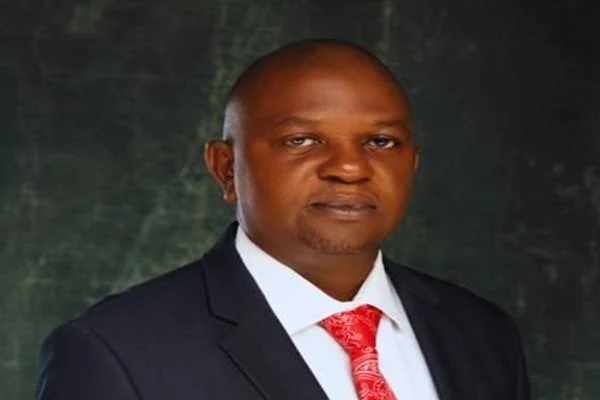
The Federal Government on Monday called for increased climate financing to strengthen Nigeria’s water, sanitation, and hygiene (WASH) systems, emphasizing that greater investment is critical to protecting communities from the growing impacts of climate change. The urgent call came as the Minister of Water Resources and Sanitation, Joseph Terlumun Utsev, declared open the 2026 Annual National Climate Change and WASH Conference in Abuja, where he reaffirmed the government’s commitment to integrating climate-resilient WASH systems into Nigeria’s climate adaptation agenda. Utsev stressed that resilient water and sanitation systems are indispensable to achieving water security, safeguarding public health, improving food security, and sustaining economic growth, uniquely stating that “the climate crisis is fundamentally a water crisis” as recurrent flooding, prolonged droughts, and changing rainfall patterns continue to contaminate water sources and damage critical infrastructure nationwide. He urged participants to move beyond discussions by producing practical recommendations that leverage Nigeria’s updated Nationally Determined Contribution (NDC 3.0) to position WASH at the center of national climate response, while highly commending President Bola Tinubu for his continued support of vital structural reforms in the water sector. The high-profile conference, themed “Water, Sanitation and Hygiene (WASH) Systems at the Frontline of Climate Change: Aligning NDC 3.0 with National Adaptation Priorities,” was organized by the ministry’s Department of Hydrology alongside major development partners including WaterAid, UNICEF, and the World Bank-supported SURWASH Programme. Earlier during the summit, the Director overseeing the Office of the Permanent Secretary, Ali Ibrahim Dallah, described climate change as one of the country’s greatest modern challenges, a sentiment strongly echoed by representatives from the Federal Ministries of Environment and Budget, who all demanded stronger inter-agency coordination and sustainable financing to shield vulnerable rural and urban communities from severe waterborne diseases. The star-studded event attracted state commissioners, climate experts, researchers, and civil society organizations, all focusing on practical strategies to mobilize both domestic and international financing to implement Nigeria’s climate commitments under the United Nations Framework Convention on Climate Change while advancing progress toward universal access to safe, clean water.