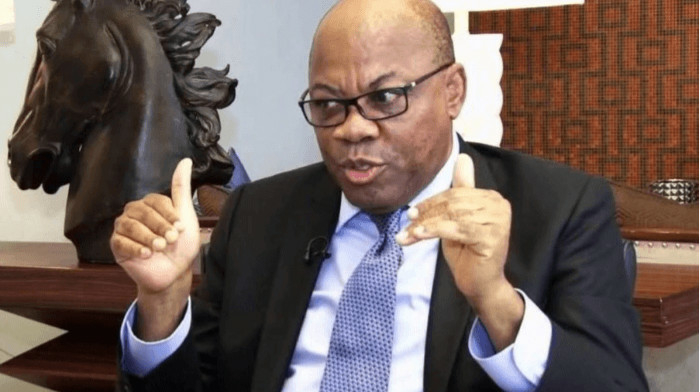
In a bold and highly analytical legal intervention that has instantly re-ignited the national debate on restructuring, former President of the Nigerian Bar Association (NBA), Olisa Agbakoba (SAN), has proposed that Nigeria aggressively adopt the South African institutional model to permanently resolve the country’s endless crises surrounding state policing, electoral integrity, and anti-corruption operations. Speaking during a high-profile constitutional review forum, the eminent legal icon argued that Nigeria’s current centralized framework for the Nigerian Police Force, the Independent National Electoral Commission (INEC), and the Economic and Financial Crimes Commission (EFCC) is fundamentally flawed, deeply politicized, and structurally incapable of serving a diverse federation. Agbakoba uniquely pointed out that the South African model masterfully decentralizes power by unbundling heavy federal monopolies, allowing sub-national entities to maintain independent policing structures while safeguarding the absolute neutrality of critical federal watchdog agencies through rigorous, multi-party parliamentary oversight rather than a single presidential dictate. According to the senior advocate, adopting this progressive blueprint would seamlessly pave the way for a highly effective state police system, shield INEC from partisan executive interference during high-stakes elections, and transform the EFCC into a truly independent judicial weapon against systemic public corruption. While some conservative legal analysts and ruling party loyalists have cautiously raised eyebrows over the logistical and constitutional hurdles of importing foreign institutional designs, prominent civil society organizations and opposition figures have enthusiastically backed Agbakoba’s radical proposal, labeling it a necessary masterstroke for national survival. As the legal luminary’s strategic recommendations continue to trend heavily across X, political forums, and current affairs blogs, the conversation has officially turned up the pressure on the National Assembly, signaling that the structural battle over constitutional amendments will be the definitive arena shaping Nigeria’s democratic landscape ahead of the next electoral cycle.