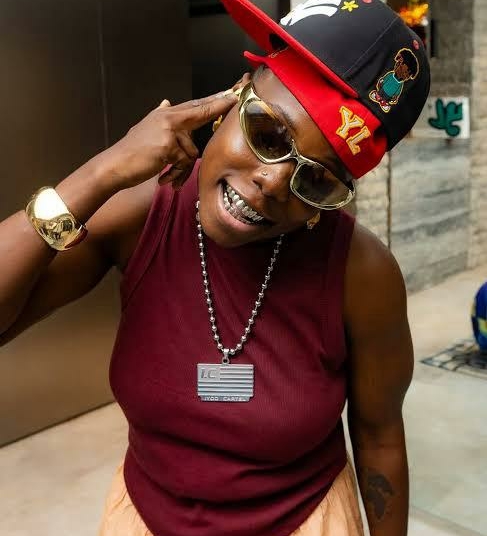
Nigerian music star Teni Makanaki has sparked a major industry-wide debate after claiming that contemporary Afrobeats is suffering because artists are prioritizing social media clout over the actual development of their music.
Speaking in a blunt interview on Beat 99.9FM on Thursday, May 7, 2026, the “Case” singer suggested that the current era of Nigerian music might be one of its “weakest creative periods” to date.
The “Clout vs. Craft” Argument
Teni did not hold back in her assessment of the industry’s shift toward digital metrics over artistic substance:
- The Root Cause: Teni argued that the issue isn’t a lack of talent or resources—noting that production technology is better now than ever. Instead, she blamed a shift in “priority,” where artists focus on building online profiles and chasing viral validation rather than the unglamorous work of vocal and lyrical growth.
- Comparison to Legends: She drew a sharp contrast between current acts and the “Golden Era” of performers like Plantashun Boiz, Sound Sultan, and P-Square, whom she praised for having distinctive identities and lyrical depth that she feels is missing in today’s “uniform” sound.
- A credible Voice: Teni’s critique carries significant weight because she is a central figure in the current generation. By speaking out, she adds a credible internal voice to a frustration often expressed by older critics and fans.
The Industry Reaction
The interview has immediately polarized the music community:
- The “Vibe” Defenders: Younger artists and fans argue that the industry has evolved into a “vibes and streaming” economy where viral moments are necessary for global survival.
- The Purists: Critics and older observers have hailed Teni’s bravery, agreeing that many recent releases feel “manufactured for TikTok” rather than for longevity.
- Industry Context: This isn’t Teni’s first time challenging the status quo; in late 2025, she famously challenged gender bias in the industry, stating that no male artist could “out-sing” top female performers.