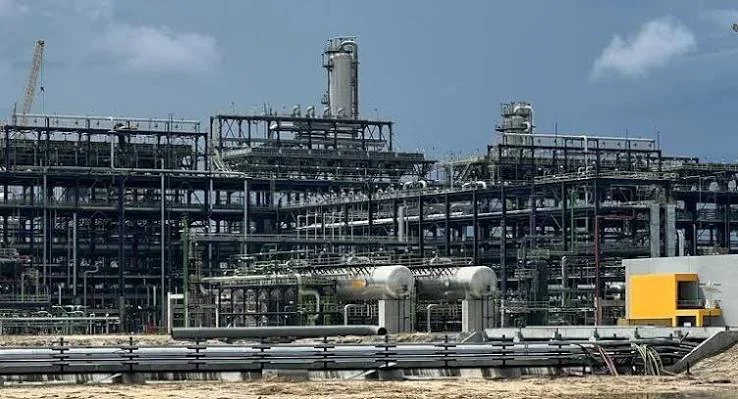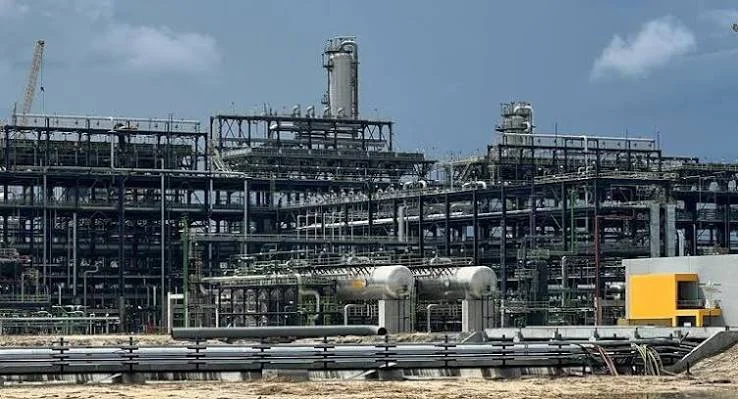
The Dangote Petroleum Refinery has expanded its free fuel distribution programme to four states as part of efforts to support motorists and reduce transportation pressures. The initiative is expected to make petroleum products more accessible to residents and provide some relief to consumers facing the impact of high fuel and transport costs. The expansion reflects the refinery’s growing role in Nigeria’s downstream petroleum sector and its efforts to increase the availability of locally refined products. By supplying fuel directly to selected areas, the programme could help improve access to petroleum products while supporting communities affected by rising living costs. The Dangote refinery, located in Lagos, is one of Africa’s largest petroleum refineries and has been positioned as an important part of Nigeria’s drive to increase domestic refining capacity. Its operations are expected to reduce dependence on imported refined petroleum products and strengthen the country’s energy security. The free fuel delivery programme is particularly significant for motorists, transport operators and businesses that rely heavily on petrol for daily activities. Transportation costs are closely linked to fuel prices in Nigeria, with increases often affecting the prices of food, goods and services. Providing free fuel in selected locations could therefore offer temporary relief to beneficiaries and help reduce some immediate transportation expenses. The expansion to four states is also expected to generate interest among residents and other communities that may benefit from similar initiatives in the future. However, the long-term impact of such programmes will depend on their scale, duration and the broader movement of fuel prices across the country. The refinery’s increasing domestic production capacity could also influence competition and supply conditions within Nigeria’s petroleum market. Industry observers are expected to monitor how the initiative affects fuel availability and consumer prices in the affected states. The programme comes at a time when Nigerians continue to face economic pressures and higher costs of transportation and essential goods. Any measure that improves access to affordable fuel is likely to attract public attention. The refinery’s expansion of free fuel distribution demonstrates its growing involvement in initiatives aimed at supporting consumers while strengthening its position in Nigeria’s petroleum industry. Further expansion could provide additional assistance to motorists and communities if the programme continues.