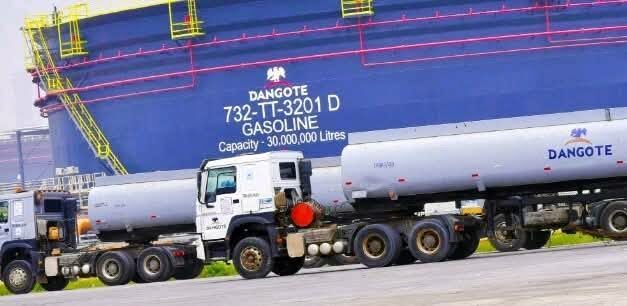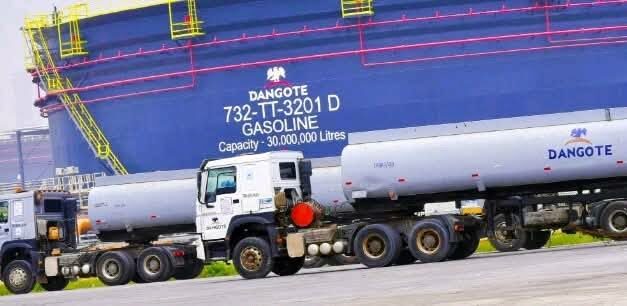
The Dangote Refinery has raised concerns over what it described as increasing petrol imports into Nigeria, prompting renewed discussion about the country’s efforts to strengthen domestic refining and reduce dependence on imported petroleum products. The concern comes as the refinery continues to expand its role in supplying refined products to the Nigerian market. The development has attracted attention because the establishment of large-scale domestic refining capacity was expected to reduce the need for imported petrol and improve energy security. The refinery has invested heavily in infrastructure designed to process crude oil and produce refined petroleum products for local consumption and export. Dangote Refinery’s concerns over petrol imports have also raised questions about competition within Nigeria’s downstream petroleum sector. Importers, domestic refiners, marketers and other industry participants operate within a changing market shaped by crude oil prices, exchange rates, transportation costs, refinery output and government policies. Any increase in petrol imports could affect the demand for locally refined products and influence investment decisions across the sector. Nigeria has historically relied heavily on imported refined petroleum products because domestic refineries struggled with inadequate maintenance and operational challenges. The emergence of private refining capacity has changed the structure of the market and created expectations that domestic production will gradually replace a significant portion of imports. However, the transition depends on several factors, including the availability of crude feedstock, refinery capacity utilisation, pricing arrangements and distribution infrastructure. Consumers are also closely watching developments because changes in fuel supply and competition can influence petrol prices and availability. Since the removal of the petrol subsidy, fuel pricing has become more closely linked to market conditions, increasing the importance of supply efficiency and competition. Industry stakeholders have continued to debate the best approach to ensuring adequate petrol supplies while supporting domestic refining investment. The government has encouraged local refining as part of efforts to reduce foreign exchange pressure associated with petroleum imports and strengthen Nigeria’s energy sector. The reported concerns from Dangote Refinery could therefore add pressure on policymakers to examine the factors contributing to renewed imports and determine whether they affect the development of domestic refining capacity. A transparent and competitive downstream market would be important for ensuring reliable fuel supplies and protecting consumers from unnecessary price increases. As the industry develops, attention will remain focused on refinery output, import volumes, crude availability and the policies governing Nigeria’s petroleum market.