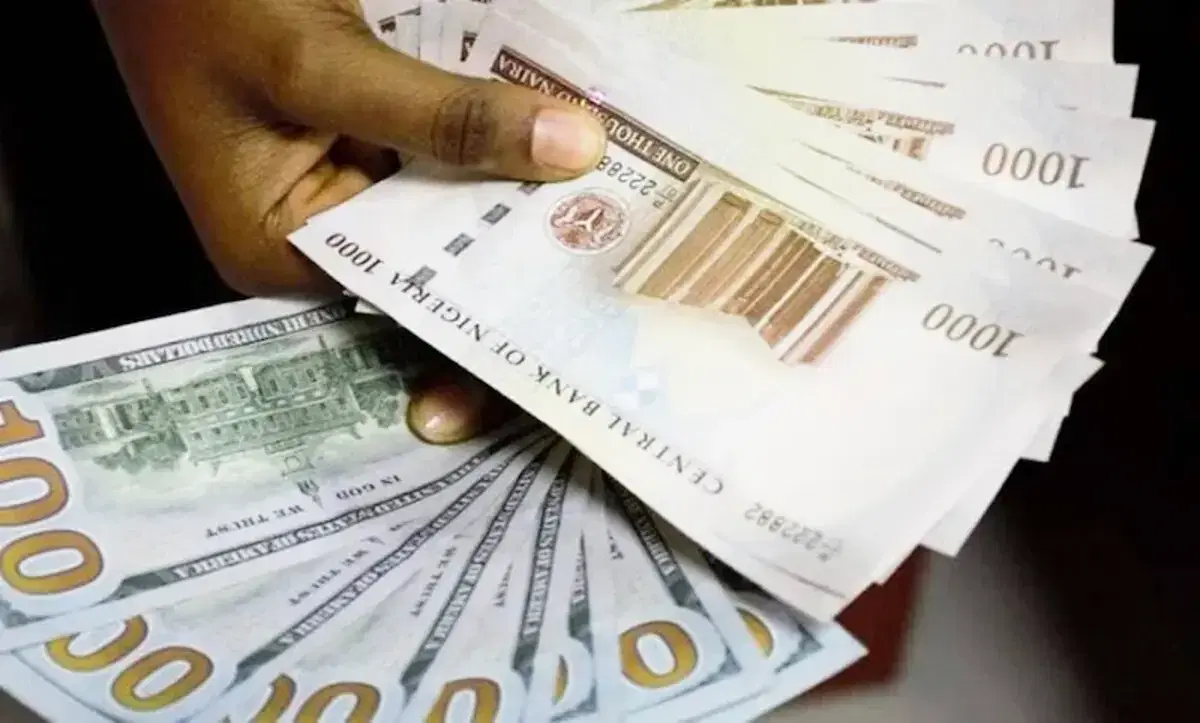
The exchange rate between the United States dollar and the Nigerian naira remains a key indicator closely monitored by businesses, investors, importers, exporters, students, travellers, and financial market participants due to its significant impact on trade, inflation, and the broader economy. As of August 4, 2026, market participants continue to track movements in both the official foreign exchange market and the parallel market, where rates often differ depending on demand, supply, and prevailing economic conditions. Financial analysts noted that fluctuations in the value of the naira are influenced by several factors, including foreign exchange reserves, crude oil earnings, global economic developments, monetary policy decisions, capital inflows, and demand for foreign currencies. They explained that exchange rate movements can affect the prices of imported goods, transportation costs, manufacturing expenses, tuition payments abroad, and other international transactions. Businesses that rely heavily on imported raw materials have continued to monitor the market closely while adjusting their pricing strategies to reflect changing exchange rates. Economic experts have urged individuals and organisations conducting foreign exchange transactions to obtain rates from authorised financial institutions and licensed dealers while remaining cautious of unofficial market information. They also emphasised the importance of ongoing economic reforms, export promotion, increased foreign investment, and improved foreign exchange liquidity in supporting long-term currency stability. Investors continue to watch policy announcements from the Central Bank of Nigeria and other relevant authorities for indications that could influence future exchange rate trends. Market observers believe sustained economic diversification, stronger non-oil exports, improved investor confidence, and prudent fiscal management will remain essential to strengthening the naira and enhancing macroeconomic stability. The exchange rate remains one of the most closely watched indicators of Nigeria’s economic performance and financial outlook.