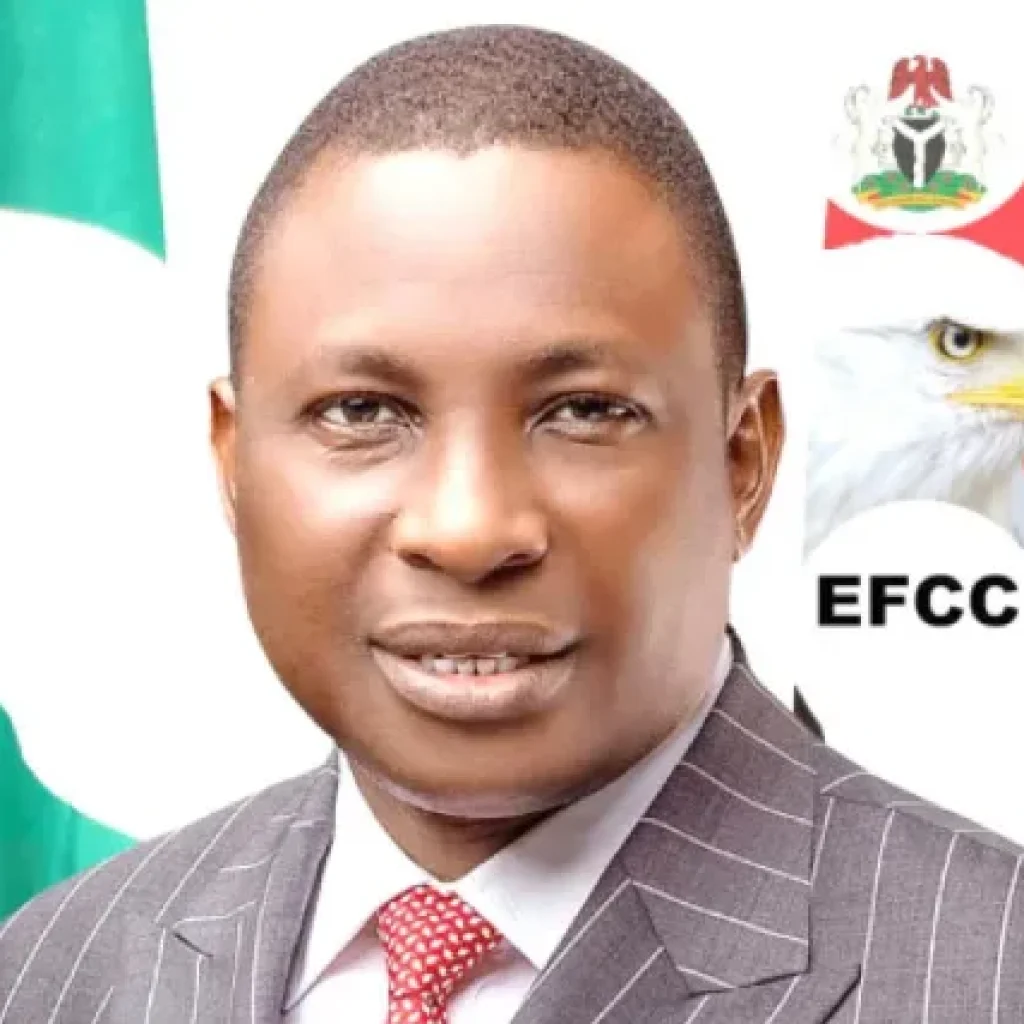
The Economic and Financial Crimes Commission (EFCC) is facing increased public scrutiny following concerns raised over the transparency and credibility of its asset auction process. The discussions have sparked renewed calls from legal experts, civil society organizations, and members of the public for greater openness, accountability, and strict compliance with established procedures governing the disposal of assets recovered through anti-corruption investigations. Stakeholders argue that transparent asset auctions are essential to maintaining public confidence in anti-corruption institutions and ensuring that recovered assets are managed in a manner that reflects fairness, integrity, and the rule of law. They have called for clear auction guidelines, competitive bidding processes, independent oversight, and timely public disclosure of auction outcomes to strengthen trust in the system. Analysts also note that effective asset recovery and disposal mechanisms play a vital role in promoting accountability, deterring corruption, and safeguarding public resources. While the concerns continue to generate debate, observers have urged all parties to allow any ongoing reviews or investigations to follow due process before drawing conclusions. They further emphasized the importance of institutional reforms, digital auction platforms, transparent record-keeping, and enhanced public access to information to improve confidence in future asset disposal exercises. Anti-corruption advocates believe that strengthening governance standards and adhering to best practices will reinforce the credibility of law enforcement agencies and demonstrate Nigeria’s commitment to fighting financial crimes. As discussions continue, many Nigerians have called for reforms that will ensure recovered assets are disposed of through transparent, competitive, and accountable processes that serve the public interest and uphold confidence in the nation’s anti-corruption framework.