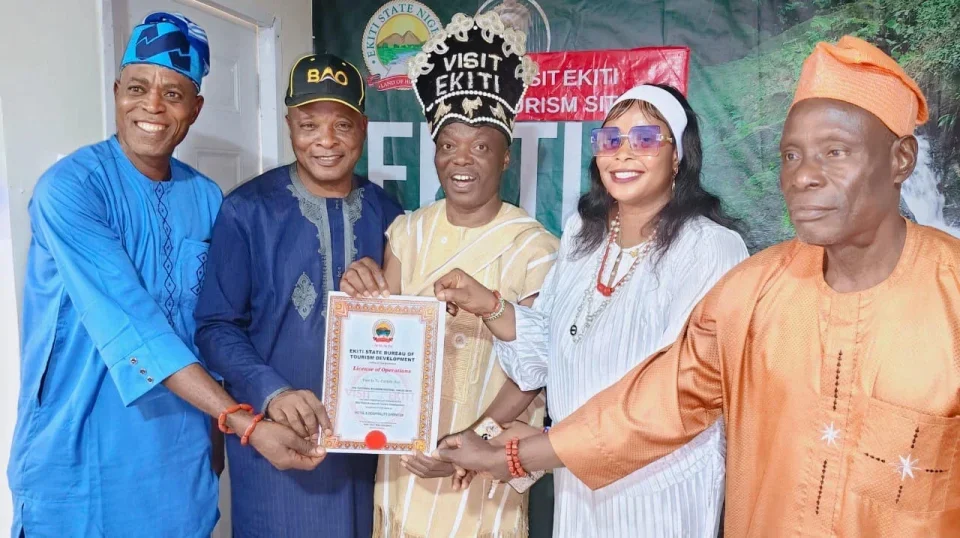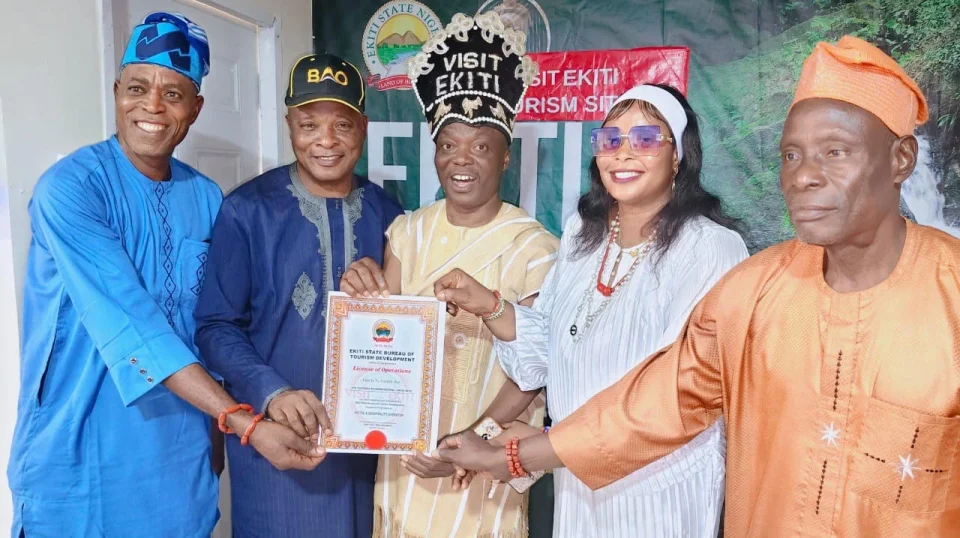
Ekiti State is set to promote its tourism sector by using cultural festivals and traditional celebrations to attract visitors, create economic opportunities and showcase the state’s rich heritage. The initiative is expected to place greater attention on the cultural traditions, historical sites and artistic expressions that distinguish Ekiti from other parts of Nigeria. Cultural festivals can play an important role in tourism development by bringing communities, visitors, performers, artisans and businesses together. Beyond entertainment, such events can create opportunities for hotels, restaurants, transport operators, tour guides, craftsmen and other small businesses to benefit from increased visitor activity. The state’s cultural heritage includes traditional institutions, indigenous music, dance, local cuisine, crafts and historical landmarks that could appeal to both domestic and international tourists. Developing these attractions could help diversify Ekiti’s economy and reduce dependence on traditional sources of government revenue. The promotion of cultural festivals may also encourage younger residents to learn more about their heritage and participate in preserving local traditions. Organisers can use festivals to showcase traditional performances, exhibitions, food fairs, craft markets and other cultural activities that provide visitors with a broader experience of the state. For the tourism strategy to succeed, stakeholders will need to pay attention to infrastructure, transportation, accommodation, security and effective promotion. Visitors are more likely to return when destinations are accessible, safe and supported by reliable services. Investment in roads, tourist facilities and public spaces could therefore complement the festival programme. Local communities are also expected to play an important role in the development of Ekiti’s tourism industry. Their involvement can help ensure that cultural events reflect authentic traditions while allowing residents to benefit directly from tourism-related economic activities. The initiative could also create opportunities for entrepreneurs and young people to develop businesses around hospitality, entertainment, creative arts and cultural products. Strong partnerships between the government, traditional rulers, community organisations and private investors could further strengthen the sector. Ekiti’s festivals could become important events on Nigeria’s cultural tourism calendar if they are consistently organised and effectively promoted. Tourism development can generate employment, increase local business activity and encourage investment in areas that might otherwise receive limited attention. It can also help preserve historical and cultural assets by giving communities an economic reason to maintain them. As Ekiti works to unlock its tourism potential, cultural festivals could serve as a practical platform for promoting the state’s identity and attracting visitors. The success of the programme will depend on sustained investment, good planning and the ability to turn cultural attractions into well-organised tourism experiences.