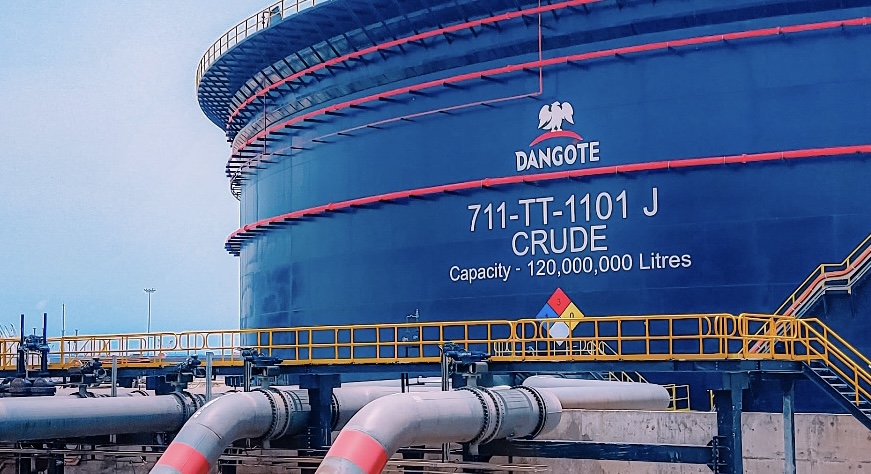
An industry expert has argued that the Dangote Refinery’s reported import of $4.43 billion worth of crude oil has raised fresh questions about the effectiveness of Nigeria’s naira-for-crude initiative. According to the expert, the scale of the reported crude imports suggests that the policy may not yet be delivering its intended objectives of increasing local crude supply, reducing reliance on foreign exchange, and supporting domestic refining operations. The comments have sparked renewed debate among stakeholders in the oil and gas sector regarding the implementation and long-term sustainability of the initiative. The expert noted that ensuring a consistent supply of locally produced crude to domestic refineries remains essential for improving energy security, stabilizing fuel production, and strengthening the value of the naira. Industry analysts also pointed to challenges such as production constraints, contractual obligations, market dynamics, and global oil pricing as factors that may influence crude supply arrangements. They emphasized that addressing these issues would require continued collaboration between government agencies, oil producers, refiners, and regulators to achieve the policy’s intended outcomes. The discussion has also highlighted the broader importance of developing Nigeria’s refining capacity to reduce fuel imports, encourage industrial growth, and improve the country’s balance of trade. While opinions differ on the performance of the naira-for-crude policy, experts agree that transparent implementation, effective coordination, and regular policy reviews will be necessary to maximize its benefits. The development has attracted attention from investors, policymakers, and industry stakeholders who continue to monitor the evolving dynamics of Nigeria’s petroleum sector and the impact of ongoing reforms on the nation’s energy and economic landscape.