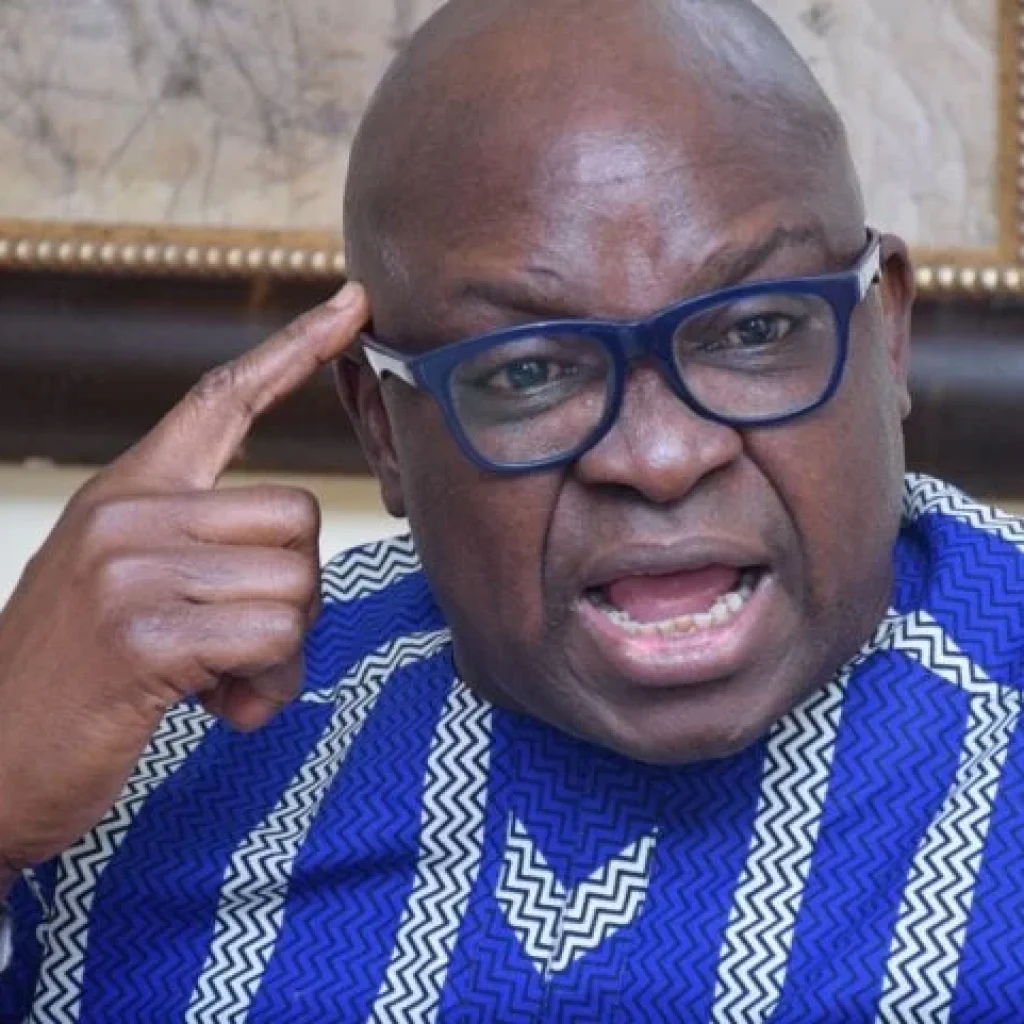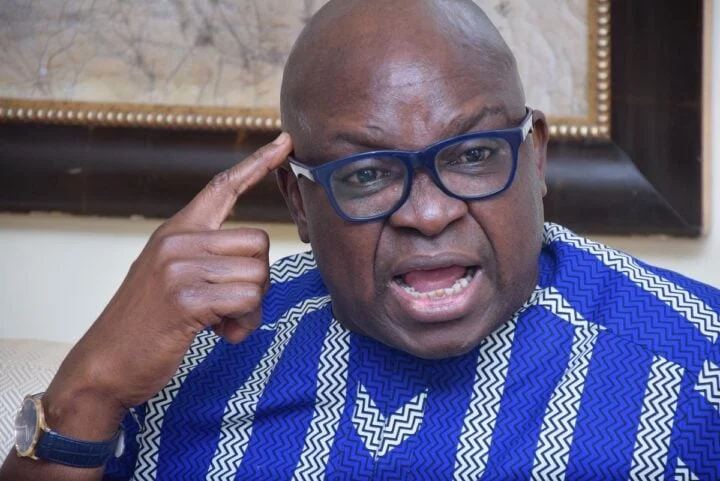
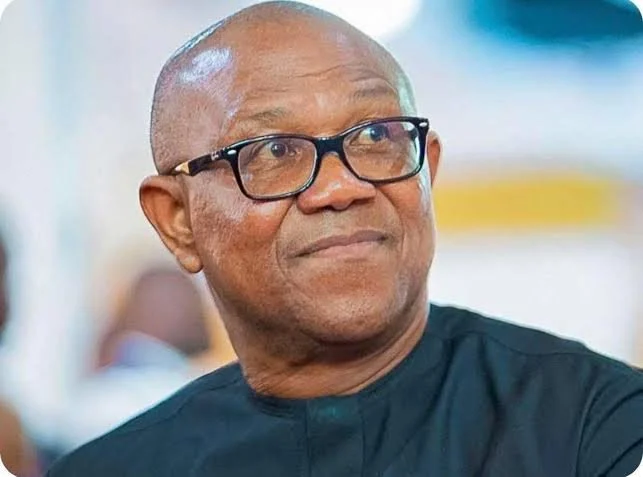
Former Ekiti State Governor Ayodele Fayose has claimed that Peter Obi weakened his prospects for the 2027 presidential election when he left the African Democratic Congress, ADC. Fayose’s comment adds to the growing political debate over Obi’s political direction and the alliances that could shape Nigeria’s next presidential contest. Obi, who was the Labour Party’s presidential candidate in the 2023 election, has remained an important figure in Nigeria’s opposition politics and continues to attract support, particularly among young voters. His political movement has generated significant attention since the 2023 election, with supporters calling for broader political reforms and improved governance. Fayose’s assessment suggests that Obi’s decision to move away from the ADC could affect his ability to build a strong coalition ahead of 2027. Political alliances are often important in Nigeria’s electoral system because presidential candidates require broad support across different regions, political groups and voter demographics. The former governor’s statement also reflects wider disagreements among opposition figures over the best strategy for challenging the ruling party in the next election. Supporters of Obi may disagree with Fayose’s conclusion and argue that his political influence extends beyond any single party or alliance. They may also point to the popularity he developed during the 2023 presidential election and the continued public interest in his political activities. As preparations for 2027 gradually take shape, questions surrounding opposition unity, party structures, candidate selection and coalition-building are likely to remain central to political discussions. Obi’s eventual political platform and alliances could have significant implications for the wider opposition landscape. Fayose’s remarks therefore represent one political assessment rather than a settled conclusion about Obi’s electoral prospects. The outcome of the 2027 election will ultimately depend on several factors, including party organisation, campaign strategy, voter preferences, alliances, economic conditions and the performance of the incumbent administration. With political realignments already beginning, Nigerians are likely to see more debate over which candidates and parties can build the broad coalition needed to compete effectively.