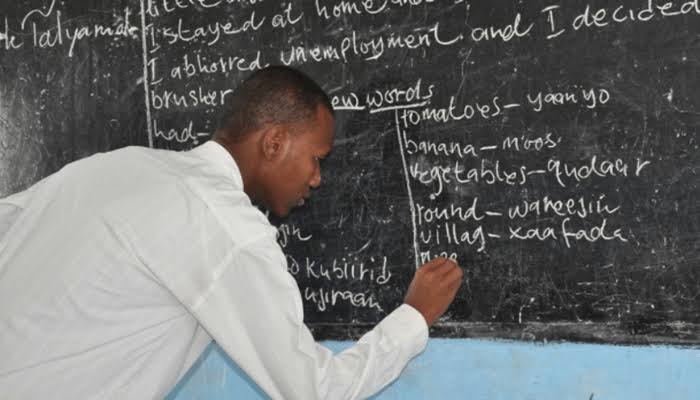
Public primary and secondary school teachers across the Federal Capital Territory (FCT) have officially commenced an indefinite strike today, Monday, April 20, 2026. The industrial action, ordered by the FCT wing of the Nigeria Union of Teachers (NUT), has led to a total shutdown of public schools just as students were expected to resume for the new academic session.
Core Demands and Grievances
The strike is the result of long-standing disputes over teacher welfare and administrative bottlenecks. Key issues cited by the NUT leadership, including Chairman Abdullahi Shafa, include:
- Non-Implementation of the 2025 Report: The union is protesting the FCT Administration’s failure to release and implement a report from a committee set up by Minister Nyesom Wike in July 2025. The report was meant to harmonize and resolve outstanding entitlements for primary school teachers.
- Promotion Obstacles: Teachers are demanding the removal of “vacancy” as a precondition for promotion, arguing it unfairly hinders career progression.
- Minimum Wage Arrears: There remains a persistent struggle over the 60% balance of minimum wage arrears that the six Area Council chairmen reportedly failed to pay, despite the FCT Minister fulfilling his 40% commitment.
- 2024 Promotion Review: The union has called for a comprehensive review of the 2024 promotion exercise conducted by the FCT Civil Service Commission to ensure all eligible teachers are properly advanced.
Current Status and Compliance
The NUT issued a communique following an emergency meeting in Gwagwalada, directing all members to stay away from classrooms until further notice. Reports from across the six area councils show strong compliance, with many school gates remaining locked this morning. The union has explicitly advised parents to keep their children at home for their safety until the dispute is resolved.
While the NUT acknowledged Minister Wike’s recent implementation of the ₦70,000 minimum wage, they maintained that the strike became unavoidable due to the “continued silence” of the authorities regarding the other critical welfare issues.