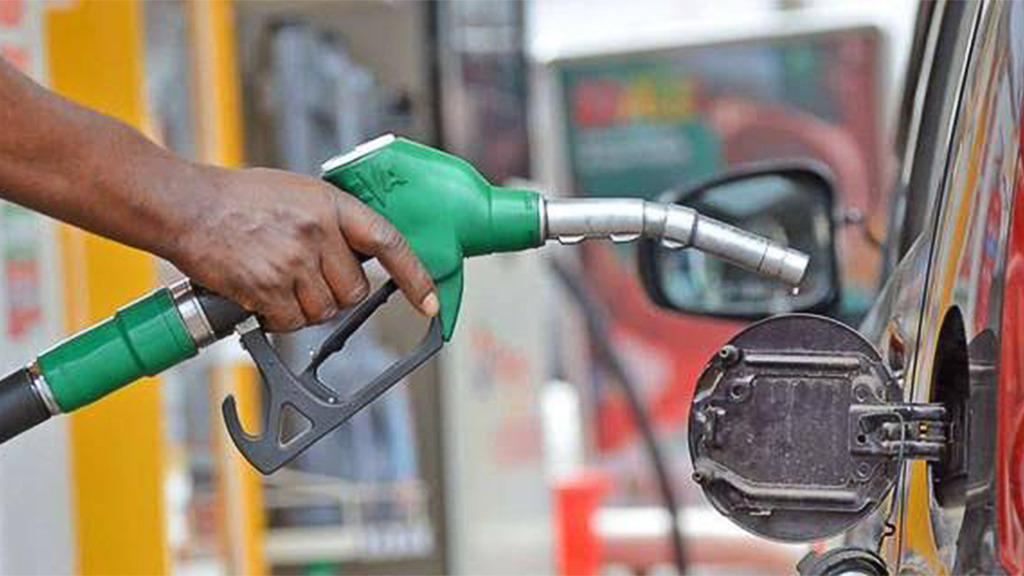
The global price of petrol has remained stubbornly high across Nigeria even as international crude oil prices crashed sharply to $73 per barrel on Wednesday, marking their lowest level since the intense US-Iran conflict erupted in February. According to official data from Oilprice.com, crude oil extended its rapid decline, falling from $76.75 per barrel on Tuesday down to $73.50 on Wednesday, fueled largely by market optimism after the United States and Iran signed a historic peace deal on June 14. Despite this massive slump from a conflict-era high of $120 per barrel, local pump prices have completely failed to drop in tandem, with numerous filling stations still retailing petrol at a premium of about N1,205 per litre. This pricing rigidity has sparked widespread frustration among Nigerian consumers who eagerly anticipated a drop below the N1,000 mark. While the Dangote Refinery recently slashed its petrol gantry price by N75 per litre—moving from N1,250 down to N1,175—prompting a minor downward adjustment from independent importers, prices remain significantly higher than pre-crisis levels when petrol sold for around N830 before skyrocketing past N1,300 during the height of the Middle East airstrikes. In response to this economic paradox, the Petroleum Products Retail Outlets Owners Association of Nigeria (PETROAN) has made a passionate appeal. In an official statement signed by National PRO Dr. Joseph Obele, PETROAN National President Billy Gillis-Harry urgently called on domestic refiners, depot owners, and product importers to immediately reduce both their ex-depot and retail pump prices to pass the benefits of lower global crude costs on to struggling citizens. Gillis-Harry expressed deep concern over current domestic market trends, pointing out the surprising reality that the landing cost of imported petroleum products currently appears lower than the rates offered by domestic refiners, emphasizing the critical need for a highly competitive downstream sector. Conversely, an official from the Dangote Refinery, speaking on the condition of anonymity, defended their pricing structure by stating that no external importer is genuinely selling below the refinery’s current rates, explaining that the facility is still actively processing highly expensive crude stocks purchased during the peak of the international crisis. This has left major importers waiting for the mega-refinery to take the definitive lead before cutting their own prices further. Meanwhile, global energy anxiety has eased significantly as shipping traffic resumes safely through the strategic Strait of Hormuz following the US-Iran agreement, a stabilization highlighted by US President Donald Trump, who announced on his social media handles that a record-breaking 19 million barrels of oil flowed through the vital waterway in a single day, driving down global oil costs and making the world a much safer place.