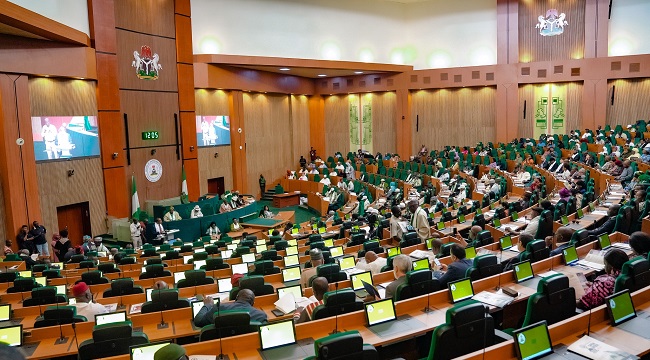
The Federal House of Representatives has officially adopted the highly anticipated report on State Police, successfully approving 18 critical clauses to amend the 1999 Constitution.
The blockbuster constitutional showdown reached a boiling point on the floor of the green chamber during a highly charged plenary session presided over by Speaker Tajudeen Abbas. Bypassing decades of institutional resistance and administrative delays, lawmakers bared their teeth to tackle the nation’s grueling security crisis head-on. The House pulled absolutely no punches as it systematically voted through the groundbreaking amendments, effectively stripping the federal government of its long-standing monopoly over law enforcement and paving a clear legal pathway for state governors to establish, fund, and manage localized security architectures.
The atmospheric tension inside the chamber turned into a triumphant, screen-gluing victory for decentralization advocates as key clauses outlining strict operational frameworks, structural guardrails, and funding mechanisms for the new state policing system were seamlessly adopted. Lawmakers fiercely argued that this bold legislative intervention is a raw, unfiltered reality check to the escalating security challenges facing rural and urban communities. The green chamber firmly maintained that localizing the police force is the absolute, non-negotiable antidote to tackling banditry, kidnapping, and structural crime across the federation’s diverse geopolitical zones.
This explosive legislative milestone has instantly split political, civic, and lifestyle forums wide open across the country, unleashing an absolute avalanche of highly polarized commentary. While anxious centralists are frantically raising concerns about potential political victimization by state governors, an absolute majority of neutral realists and passionate youth advocates are heavily cheering the 10th Assembly for delivering what many are calling the most revolutionary piece of legislation in modern Nigerian history. The entire digital community remains permanently glued to their screens as the bill aggressively moves forward to its next high-stakes hurdle at the Senate and State Houses of Assembly!