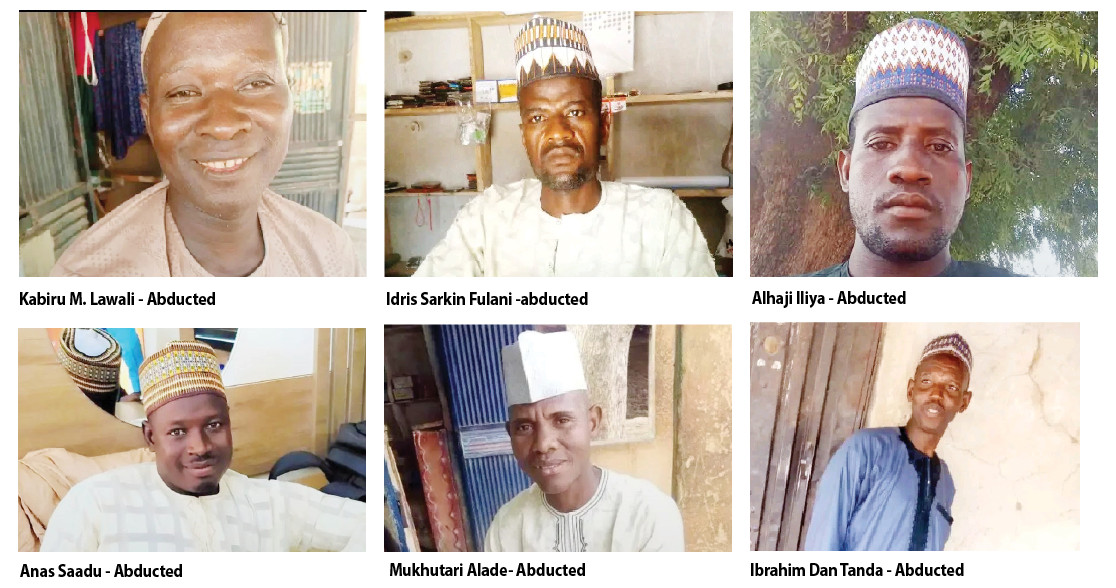
Thirty-two community elders from Zamfara State have regained their freedom after spending weeks in captivity following their abduction by armed bandits, bringing relief to their families and communities. Their release has drawn widespread attention, with residents recounting the uncertainty and emotional distress experienced throughout the period of captivity. Although details surrounding the negotiations and circumstances that led to their freedom remain limited, local sources described the development as a welcome outcome after prolonged efforts by community leaders, relatives, and other stakeholders seeking a peaceful resolution. The freed elders have since reunited with their families, many of whom expressed gratitude for their safe return while calling for stronger measures to prevent similar incidents in the future. Community representatives urged the Federal Government and security agencies to intensify operations against criminal groups responsible for kidnappings and attacks across parts of the state. Security analysts noted that Zamfara has continued to face persistent security challenges, including banditry, kidnapping, cattle rustling, and attacks on rural communities, leading to displacement, disruption of farming activities, and humanitarian concerns. They emphasized that addressing the crisis requires sustained military operations, improved intelligence gathering, stronger collaboration with local communities, and expanded socio-economic interventions aimed at reducing insecurity. Authorities have repeatedly assured citizens of their commitment to restoring peace through coordinated security operations and enhanced surveillance across affected areas. Stakeholders also called for continued support for victims of insecurity, including access to medical care, psychological counselling, and humanitarian assistance to aid their recovery. The release of the elders has renewed hopes among residents for lasting peace, while highlighting the urgent need for comprehensive strategies that address both the immediate security threats and the underlying factors contributing to criminal activities in vulnerable communities across northern Nigeria.