
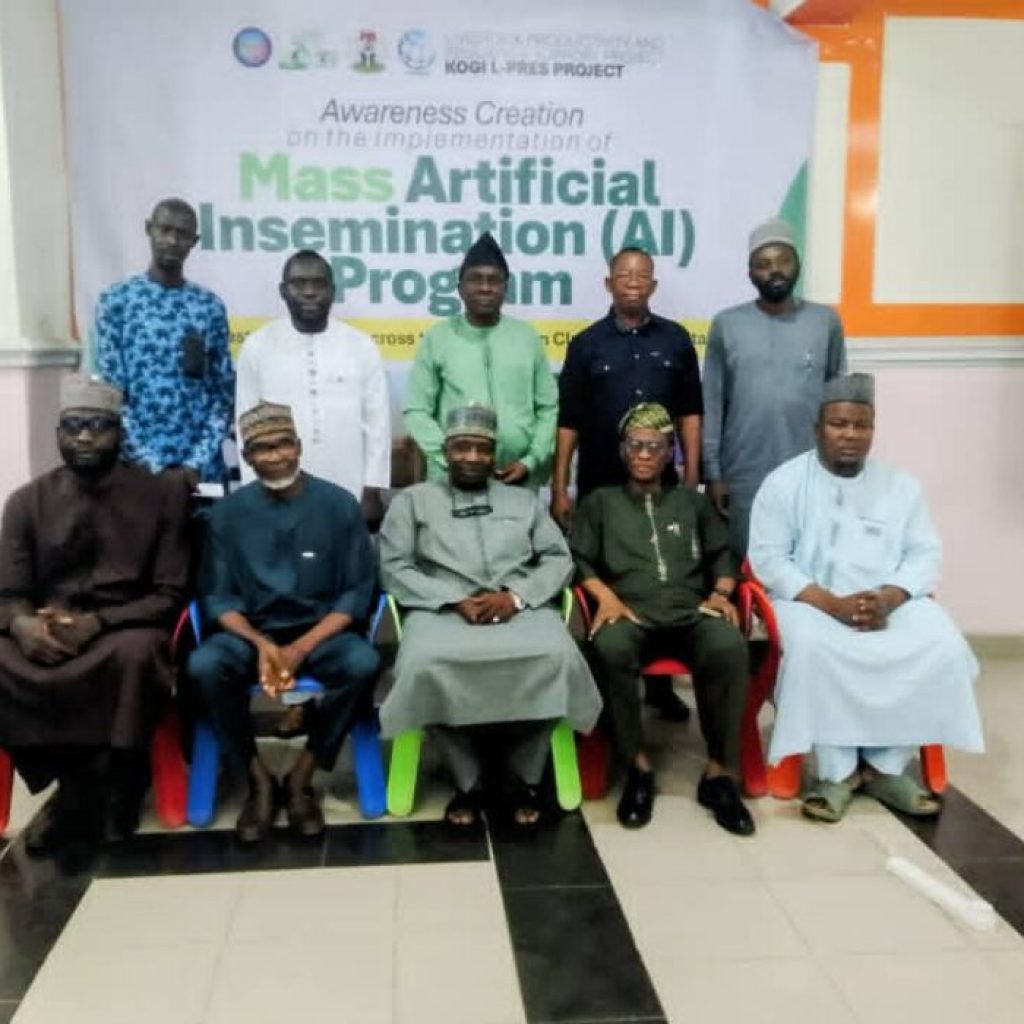
The Kogi State Government has officially launched a mass artificial insemination campaign aimed at improving livestock productivity, increasing farmers’ incomes, and strengthening the state’s agricultural sector. The initiative is designed to enhance the genetic quality of cattle through modern breeding techniques, enabling livestock farmers to produce healthier animals with higher growth rates, improved fertility, and greater milk and meat yields. Government officials said the programme forms part of broader efforts to modernize livestock production, improve food security, and support economic diversification through agriculture. Veterinary experts and livestock extension officers will work closely with farmers throughout the campaign, providing technical support, training, and reproductive services to ensure the successful implementation of the programme. According to officials, the adoption of artificial insemination will help reduce the spread of diseases associated with natural breeding while giving farmers access to superior livestock genetics without the high cost of purchasing breeding animals. The campaign is also expected to increase productivity, improve herd quality, and strengthen the competitiveness of livestock farmers in both domestic and regional markets. Stakeholders described the initiative as an important step toward transforming the livestock value chain, creating employment opportunities, and encouraging greater private sector investment in animal husbandry. Farmers participating in the programme expressed optimism that improved breeding technology would boost production, increase profitability, and support sustainable livestock farming practices. Agricultural experts further noted that modern breeding methods play a vital role in enhancing food production and meeting the growing demand for quality animal products. The Kogi State Government reaffirmed its commitment to supporting farmers through innovation, improved veterinary services, and strategic agricultural programmes that promote rural development, food security, and long-term economic growth.


