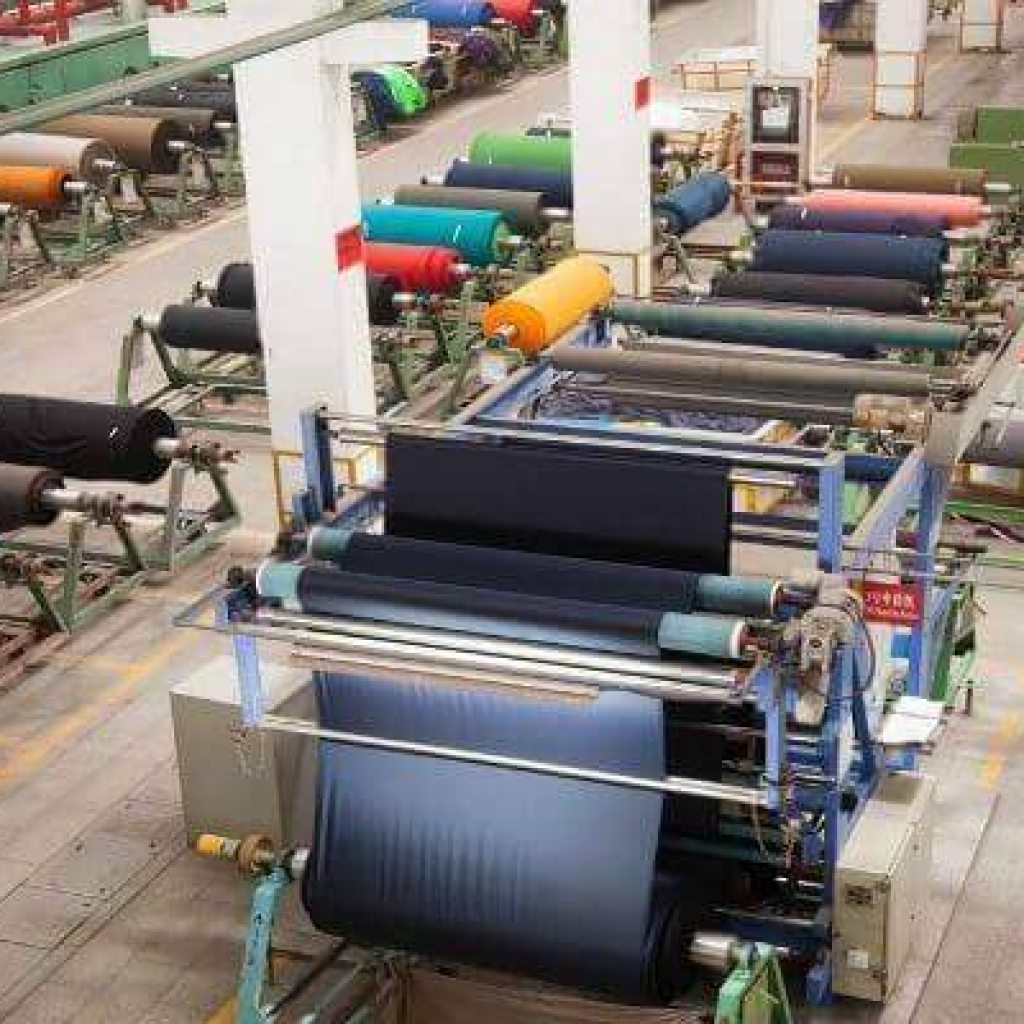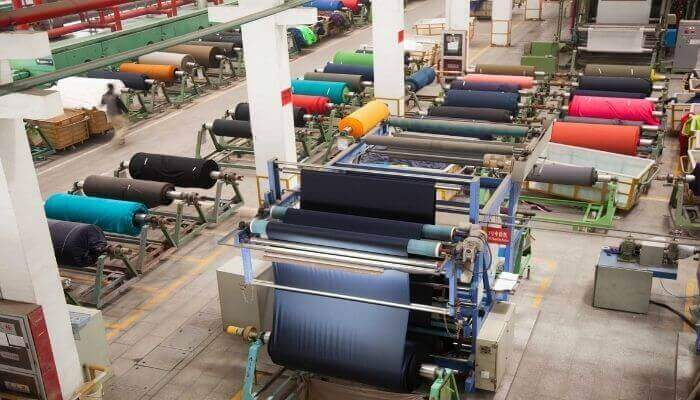
Manufacturers have called for comprehensive structural reforms to revive Nigeria’s textile industry, arguing that long-term policy changes and a more supportive business environment will deliver better results than periodic financial bailouts. Industry stakeholders said the sector has significant potential to create jobs, boost local production, reduce import dependence, and contribute to national economic growth, but stressed that sustainable progress can only be achieved by addressing the underlying challenges affecting manufacturers. According to industry representatives, issues such as unreliable electricity supply, high production costs, limited access to affordable financing, poor transport infrastructure, smuggling, multiple taxation, and inconsistent government policies continue to weaken the competitiveness of local textile producers. They maintained that while financial intervention programmes may provide temporary relief, they do not resolve the structural problems limiting productivity and investment. Manufacturers urged the Federal Government to prioritise reforms that encourage industrial development, strengthen local value chains, improve access to raw materials, modernise infrastructure, and create a stable regulatory environment capable of attracting both domestic and foreign investors. Economic analysts agreed that reviving the textile sector would require coordinated policies involving government agencies, financial institutions, manufacturers, and development partners. They noted that a stronger textile industry could increase employment opportunities, support cotton farmers, expand exports, and reduce Nigeria’s reliance on imported fabrics and finished garments. Stakeholders also highlighted the importance of investing in technology, skills development, innovation, and industrial clusters to improve productivity and global competitiveness. They expressed optimism that with consistent policy implementation and sustained investment, Nigeria’s textile industry could regain its position as a major contributor to manufacturing output and economic diversification. The renewed call for reforms reflects growing support for policies that promote industrialisation, strengthen local production, and create a more resilient manufacturing sector capable of driving long-term national development.