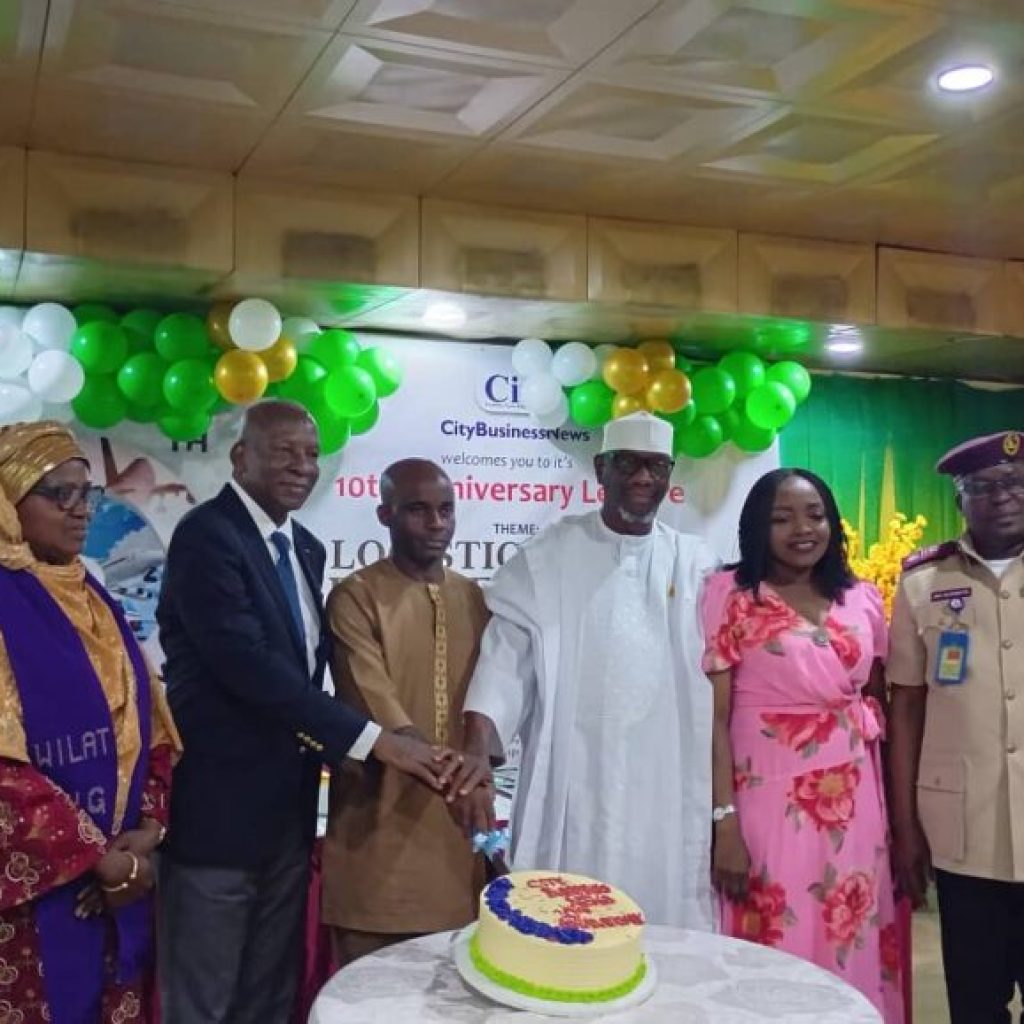
Nigeria is losing an estimated ₦5 trillion annually as critical logistics failures continue to severely undermine the agricultural value chain, with as much as 40 percent of the country’s fresh farm produce getting completely wasted before ever reaching the final consumers, industry stakeholders have urgently warned. Speaking at the 10th Anniversary Lecture of City Business News themed “Logistics as the Engine Room of Nigeria’s Economy,” the President of the Chartered Institute of Logistics and Transport (CILT) and former FRSC Corps Marshal, Dr. Boboye Oyeyemi, disclosed that between 30 million and 40 million metric tonnes of food are lost annually due to post-harvest challenges, translating to a massive economic drain of up to ₦5 trillion with severe implications for nationwide food security and inflation. Oyeyemi noted that the logistics sector currently contributes a meager 3.73 percent to Nigeria’s Gross Domestic Product (GDP) because about 40 percent of goods moving from the Middle Belt food basket rot away before getting to Lagos markets due to bad roads, poor transport networks, and the extortion of truck drivers who shell out between ₦150,000 and ₦250,000 per trip on illegal levies and checkpoints. To fix this crisis, he urged the Federal Government to drastically reduce illegal highway checkpoints, subsidize Compressed Natural Gas (CNG) to lower high transportation costs, and reintroduce weighbridges to stop road-damaging overloading. Echoing these infrastructure concerns, the Founder of ABC Transport, Sir Frank Nneji, heavily lamented the long-standing government neglect of road transport compared to aviation, advocating for the urgent concessioning of major national highways to private developers while warning that rising insecurity continues to terrify operators. In response, current FRSC Corps Marshal Shehu Mohammed assured stakeholders that the agency is aggressively intensifying highway safety partnerships, while Mrs. Fatima Jatto, representing the President of Women in Logistics and Transport (WiLAT), Khadijat Sheidu-Sabi, emphasized that increasing female inclusion and empowerment remains absolutely vital for the sustainable long-term survival of the sector as stakeholders unanimously agreed that Nigeria’s food security will continue to suffer unless policy consistency and an enabling economic environment are rapidly created.