President Bola Tinubu has asked the National Assembly to approve a fresh external borrowing plan worth approximately $20.52 billion and €1.045 billion, bringing Nigeria’s borrowing strategy back into the national conversation.
According to reports, the proposed loans would support projects across several sectors, including infrastructure, healthcare, education, agriculture, water supply and security. The administration argues that additional financing is needed to address the country’s infrastructure gaps and support economic growth.
However, the request has attracted criticism from opposition figures, including former Vice President Atiku Abubakar and the African Democratic Congress. Their concerns centre on the country’s debt burden and whether additional borrowing will produce enough economic benefits to justify future repayment obligations. Allegations about possible political motives have also been raised by critics, but these remain allegations rather than established facts.
For Nigerians dealing with high living costs and economic uncertainty, the central question is straightforward: how will the proposed loans improve everyday life? Roads, electricity, hospitals and schools can deliver lasting benefits when projects are properly selected and completed, but borrowing also creates repayment responsibilities that future budgets must accommodate.
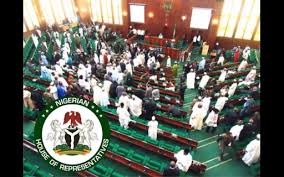
The National Assembly’s decision will therefore be important. Lawmakers will need to scrutinise the terms, intended uses and repayment implications before deciding whether to approve the request.
As the debate develops, Nigerians will be watching not only the size of the proposed loans but also whether the government can demonstrate transparency, accountability and measurable results from the funds it borrows.