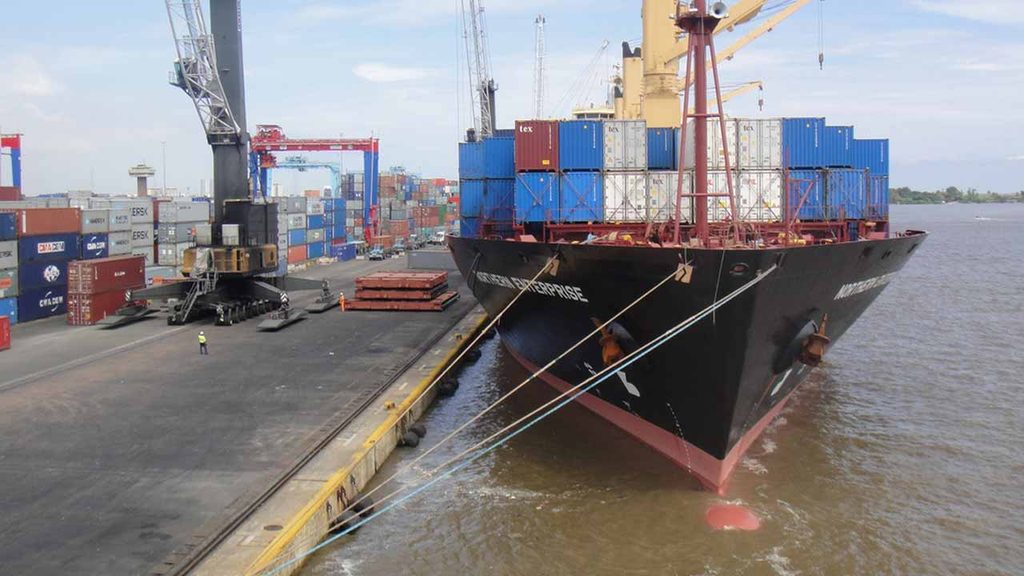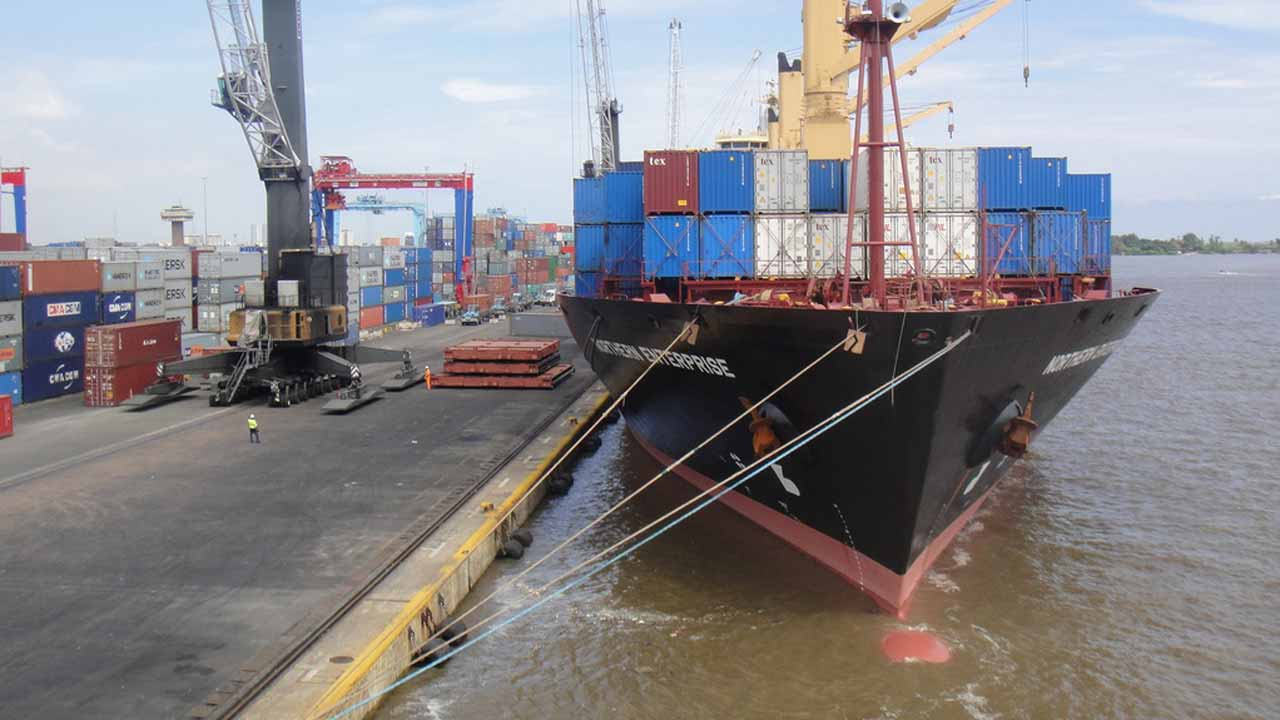
Nigeria’s ports have recorded a 12.3 percent increase in cargo throughput, indicating a rise in the volume of goods handled through the country’s maritime gateways amid ongoing reforms in the sector. The growth has been linked to efforts to improve port efficiency, strengthen cargo handling processes and create a more favourable environment for international trade. The development is significant for Nigeria’s economy because the country depends heavily on its seaports for the movement of imported and exported goods. Increased cargo traffic could translate into higher economic activity across several areas, including shipping, logistics, transportation, warehousing and other businesses connected to maritime trade. Authorities have continued to pursue reforms aimed at reducing delays, improving operational efficiency and strengthening infrastructure at the nation’s ports. Better coordination among agencies operating within the ports is also expected to support smoother cargo clearance and improve the overall experience for importers, exporters and other stakeholders. Industry operators have consistently called for modern infrastructure, improved technology and efficient procedures to reduce congestion and enhance Nigeria’s competitiveness as a regional maritime hub. The latest increase in cargo throughput suggests that ongoing measures may be contributing to improved activity across the sector. However, stakeholders are expected to maintain the momentum by addressing challenges such as port congestion, inadequate infrastructure, high logistics costs and bureaucratic bottlenecks. Sustained reforms could further strengthen Nigeria’s maritime industry and support broader economic growth through increased trade and investment.