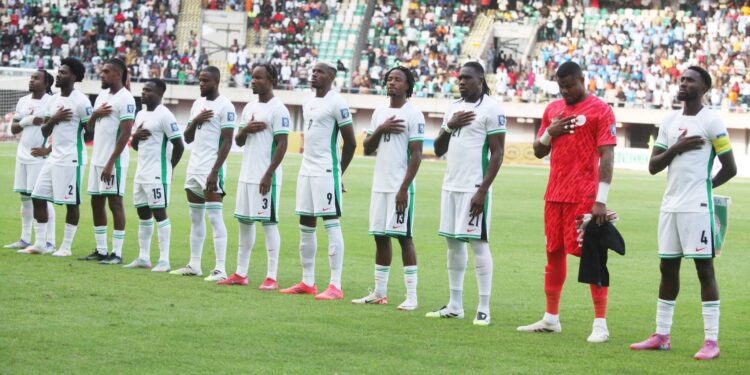
Nigeria’s long and emotional journey toward qualification for the 2026 FIFA World Cup may not be over just yet. Just when it seemed the Super Eagles’ hopes had been extinguished, a fresh controversy involving DR Congo has reopened the door — and ignited renewed belief among Nigerian fans.
At the heart of the drama is a player eligibility scandal that could dramatically reshape Africa’s World Cup qualification landscape.
A Painful Exit That May Not Be Final
Nigeria’s World Cup dream suffered a crushing blow after a dramatic playoff defeat to DR Congo. Following a tense encounter that ended level after regulation time, the Congolese side edged the Super Eagles on penalties, apparently ending Nigeria’s hopes of reaching the global showpiece.
For a football-loving nation with a proud World Cup pedigree, the loss was devastating — and potentially historic, as it would mark back-to-back World Cup absences for the Super Eagles.
But football, especially at the international level, is rarely over when the final whistle blows.
The Controversy That Changed Everything
In the days following the match, reports began to surface that DR Congo may have fielded ineligible players during the playoff fixture. According to the allegations, several Congolese players are believed to hold dual nationalities, a status that conflicts with DR Congo’s constitutional laws, which reportedly prohibit dual citizenship for adults.
The Nigeria Football Federation (NFF) is said to have formally escalated the issue to FIFA, arguing that:
- DR Congo may have violated eligibility rules.
- Inaccurate or misleading information may have been submitted during player clearance.
- The alleged breach could warrant sanctions, including forfeiture or disqualification.
If FIFA rules in Nigeria’s favor, the playoff result could be overturned — effectively reviving Nigeria’s World Cup qualification hopes.
Why the Case Is So Significant
Player eligibility cases are among the most sensitive issues in international football. While FIFA typically relies on passports and official documentation, questions arise when:
- National laws conflict with submitted eligibility documents.
- There is evidence of misrepresentation or non-disclosure.
- Competitive integrity is potentially compromised.
For Nigeria, this protest represents more than legal maneuvering — it is a chance to correct what many fans believe would be an unjust exit from the World Cup race.
For DR Congo, the stakes are equally high. The Central African nation is chasing its first World Cup appearance since 1974, and any sanction could derail decades of waiting.
What Happens Next?
FIFA is expected to:
- Review the petition submitted by the NFF.
- Examine player documentation and nationality records.
- Decide whether DR Congo breached eligibility regulations.
Such cases often take weeks or even months to resolve, meaning uncertainty will linger over Africa’s qualification picture.
Until a final ruling is delivered, Nigeria’s World Cup dream remains alive — hanging delicately in the balance.
A Nation Dares to Hope Again
For now, Nigerian fans can dare to hope once more. The Super Eagles’ campaign, once written off, has found new oxygen through the corridors of football governance.
Whether this saga ends in reinstatement or heartbreak, one thing is certain: Nigeria’s road to the 2026 World Cup is far from over, and African football is once again gripped by controversy, suspense, and high-stakes drama.