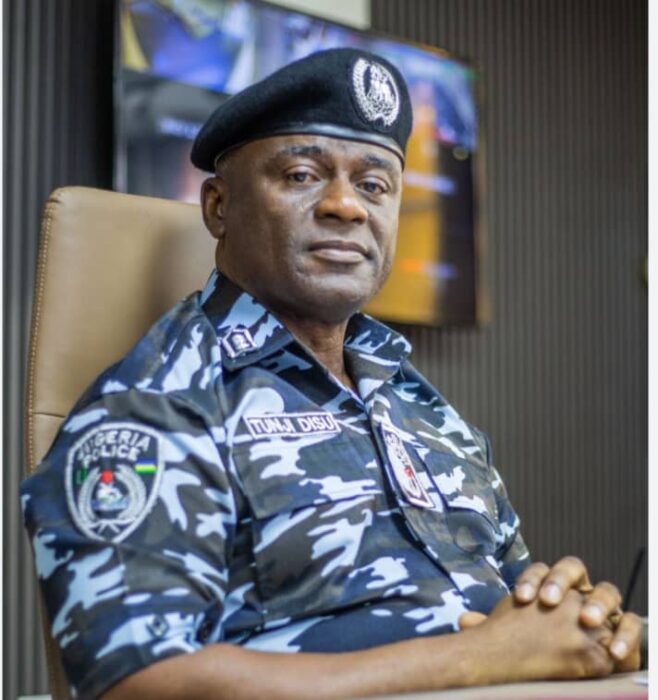
The Inspector-General of Police, IGP Olatunji Rilwan Disu, has issued a stern warning to digital content creators, skit makers, and social media influencers against filming or recording police officers on active duty purely for commercial entertainment or social media traction.
The directive, which was made public during a high-level security briefing at the Force Headquarters, addresses a growing trend where creators orchestrate pranks, stage provocative encounters, or record active field operations without authorization.
The police chief stressed that while the Nigeria Police Force (NPF) remains completely committed to public accountability, transforming security operations into social media content poses severe risks to national security, tactical safety, and the personal dignity of officers in the line of duty.
The Strategic Boundaries: Security Risk vs. Accountability
The NPF leadership clarified that the warning is not designed to stifle civic transparency or stop citizens from documenting human rights abuses. Instead, it targets intentional, unauthorized filming that compromises active police operations.
Key Reasons Behind the Policy Directive
- Compromising Tactical Strategy: Broadcasting active crime scenes, security checkpoints, or ongoing arrests in real time can tip off criminal syndicates and jeopardize the safety of field operatives.
- Provocative Social Pranks: The Inspector-General strongly condemned the staging of fake situations or pranks involving armed personnel, warning that such actions could lead to accidental, fatal discharges.
- Identity Exposure: Filming the faces of undercover operatives, tactical team members, or intelligence officers severely endangers their lives and compromises their families’ safety.
- Distortion of Facts: Editing clips out of context to score viral hits often paints an inaccurate picture of law enforcement efforts and breaks public trust.
The Content Creation vs. Law Enforcement Matrix
| Operational Scenario | Protected Civic Right | Prohibited Content Action |
| Active Field Operations | Documenting clear cases of police brutality or extortion for legal accountability. | Live-streaming tactical movements, ambushes, or hostage rescue scenes for page engagement. |
| Security Checkpoints | Recording standard interactions when a citizen’s basic human rights are actively threatened. | Staging provocative skits, mocking armed personnel, or filming without perimeter permission. |
| Station Investigations | Taking necessary administrative records of legal proceedings or formal bails. | Secretly filming high-security facilities, detentions, or confidential interrogation rooms. |
“We respect the creativity of our youths and the freedom of the press, but security is a serious business. Turning active security checkpoints or tactical operations into backdrops for skits and viral content is unacceptable. It distracts officers, compromises strategies, and creates unnecessary friction. Anyone caught recording police officers on duty for trivial content creation will face legal consequences.” — IGP Olatunji Rilwan Disu
Strict Legal Consequences for Violators
The Force Headquarters has instructed state commissioners of police and formation heads across the country to strictly enforce this directive. Moving forward, individuals found filming officers on duty for clout or commercial pranks risk being detained, having their recording equipment confiscated, and facing immediate prosecution under existing cybercrime and national security laws.
While the digital community has expressed mixed feelings over the announcement—with some voicing concerns about potential misuse by rogue officers—the NPF maintains that establishing these operational boundaries is essential to protect the integrity of national security and restore absolute professionalism across the force.