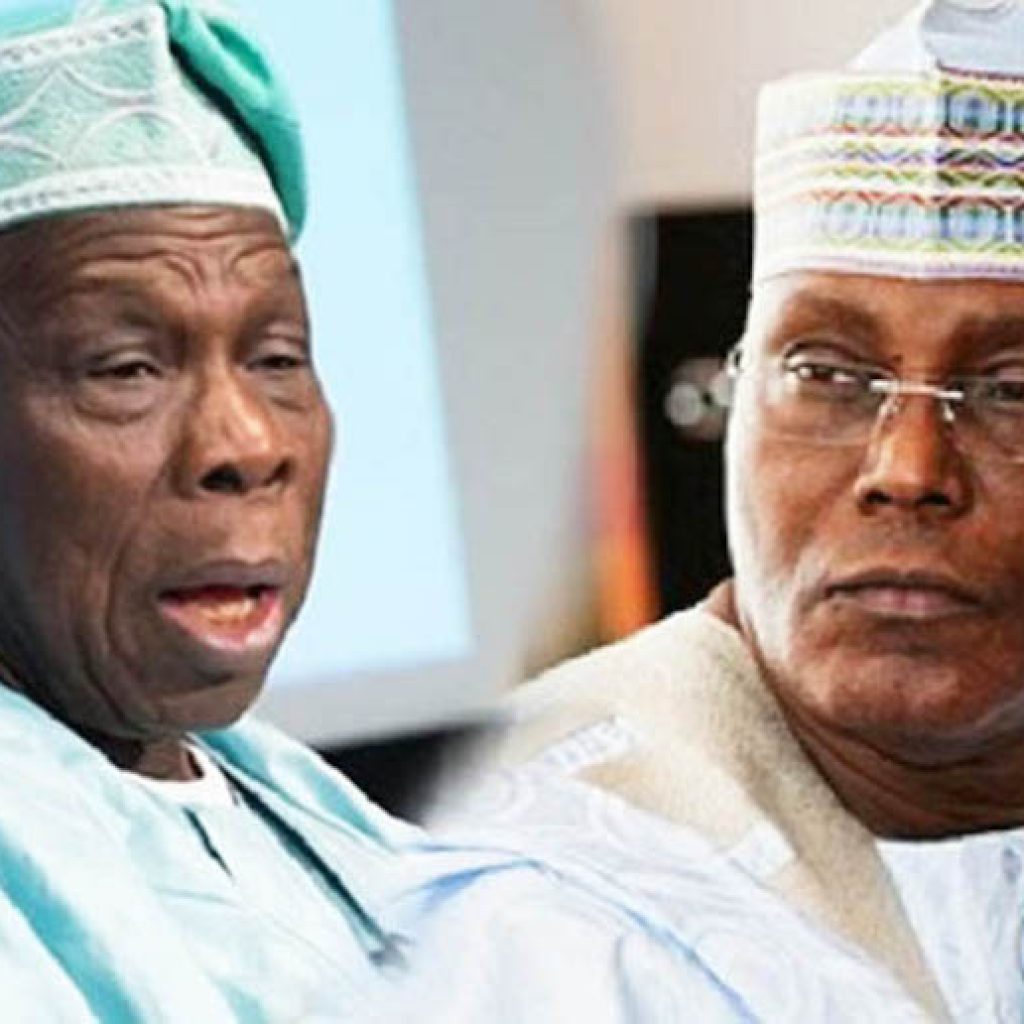
The political relationship between former President Olusegun Obasanjo and former Vice President Atiku Abubakar has remained a subject of public interest, with disagreements between the two prominent figures continuing to resurface in Nigeria’s political discourse. Their history dates back to the period when Atiku served as Obasanjo’s vice president, when both men were central figures in the country’s political leadership. Although they worked together in government, their relationship later became strained amid disagreements over political succession, governance, party affairs, and other national issues. The differences have remained relevant years after their tenure, particularly whenever national politics enters another election cycle. Obasanjo has, at different times, expressed strong views about political leadership and the direction of the country, while Atiku has continued to pursue his political ambitions and advocate positions on governance, democracy, economic management, and national development. Their contrasting views have frequently generated public debate, with supporters of both politicians defending their respective positions. Political analysts say the relationship illustrates how personal disagreements among senior political figures can become intertwined with broader ideological, institutional, and electoral disputes. They argue that Nigeria’s political environment often encourages alliances that change as political interests and circumstances evolve. Despite their differences, both men remain influential voices whose statements can attract significant national attention. Observers note that their political legacies are closely connected to major developments in Nigeria’s democratic history, making their disagreements a recurring subject of discussion. Some commentators have called for greater emphasis on national interests and constructive engagement among experienced political leaders, particularly at a time when Nigeria faces economic, security, and institutional challenges. Others maintain that robust disagreement is part of democratic politics, provided it does not undermine peaceful political participation or public institutions. As the country’s political landscape continues to evolve, comments involving Obasanjo and Atiku are likely to attract scrutiny because of their experience and longstanding influence. Their enduring political differences remain a reminder of the complex relationships that have shaped Nigeria’s modern political history.