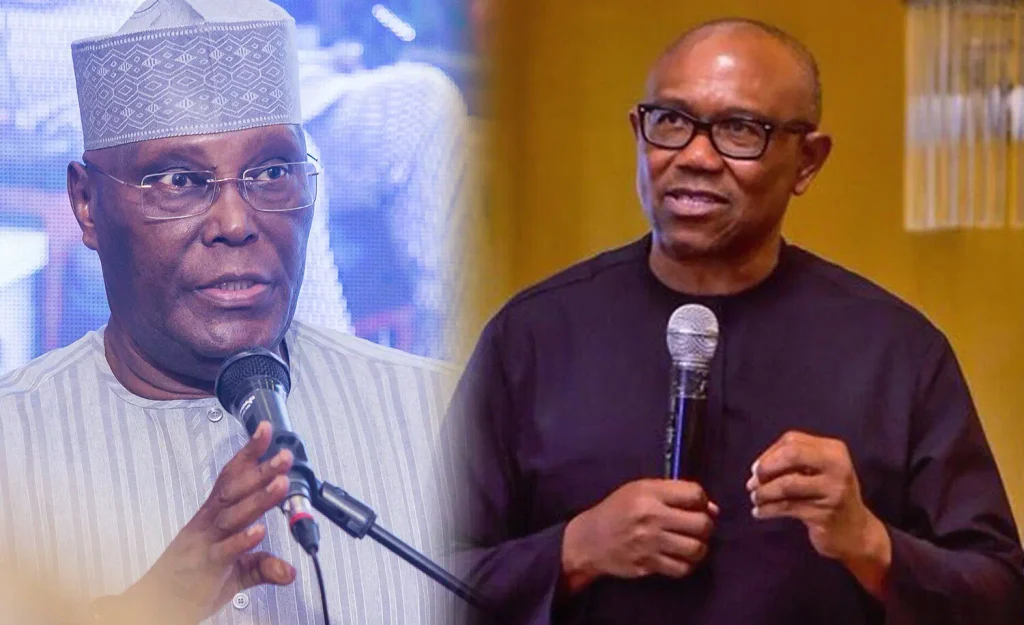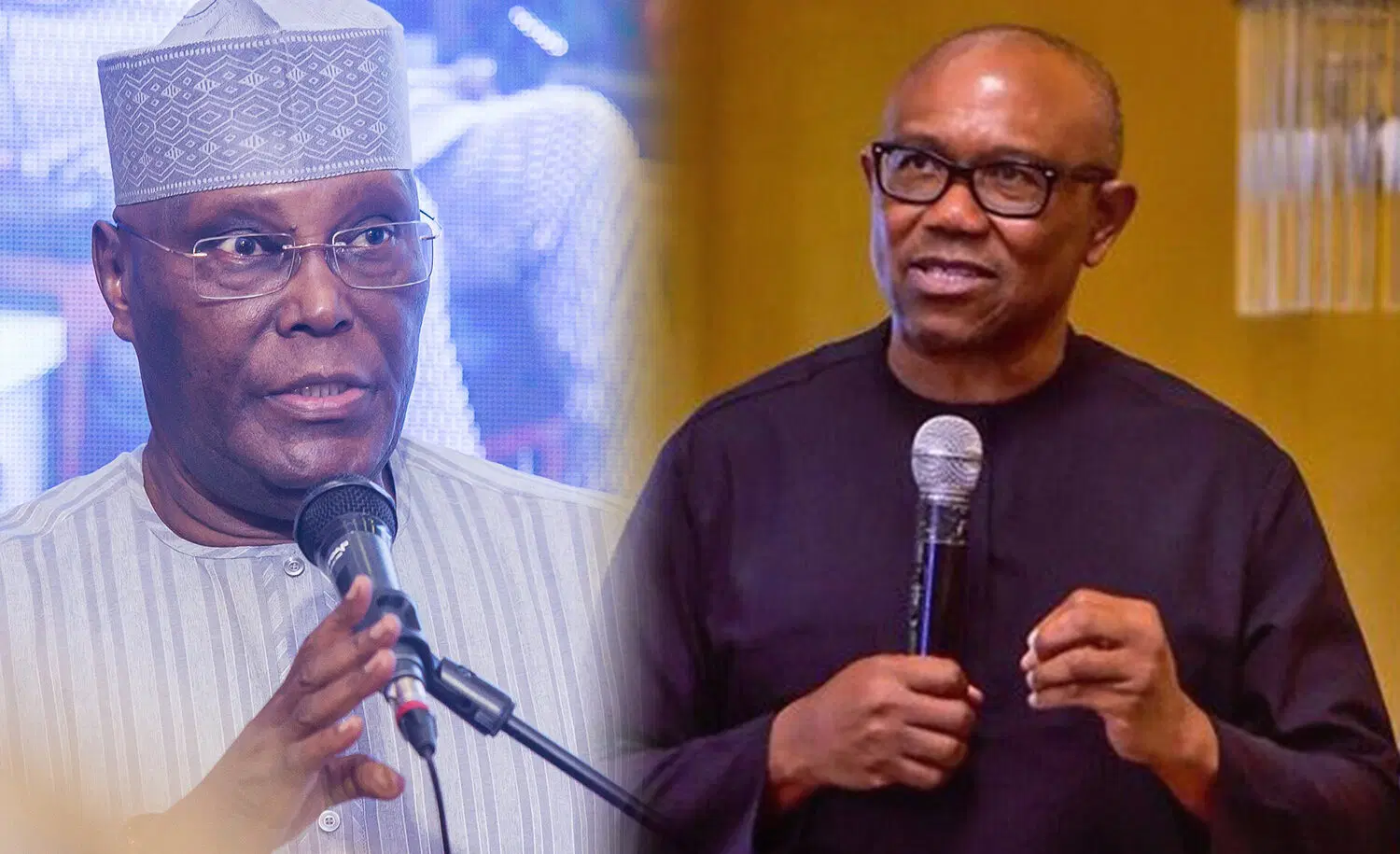
Former Anambra State Governor and Labour Party presidential candidate Peter Obi has disagreed with former Vice President Atiku Abubakar over the removal of Nigeria’s petrol subsidy, highlighting differences in their approaches to economic policy and the management of the country’s resources. The disagreement comes amid continuing debate over the impact of subsidy removal on Nigerians, particularly households and businesses facing higher transportation and living costs. Atiku has previously expressed his position on the need for reforms in the petroleum sector, while Obi has maintained that government policies must take into account their effect on ordinary citizens and the wider economy. Obi’s position reflects his broader argument that economic reforms should be accompanied by measures that protect vulnerable Nigerians and improve productivity. The removal of petrol subsidies has remained one of the most contentious economic decisions in Nigeria in recent years. Supporters of the policy argue that subsidy payments placed a heavy burden on government finances and diverted resources that could have been used for infrastructure, healthcare, education and other public services. Critics, however, argue that the removal has contributed to higher fuel prices, increased transportation costs and rising prices for goods and services. Obi has repeatedly called for greater transparency and more efficient management of public resources, while stressing the need to invest in productive sectors of the economy. The disagreement with Atiku adds another dimension to the political debate ahead of the 2027 general election, as opposition figures position themselves and present different policy proposals to voters. Both politicians have significant political experience and have previously participated in presidential contests. Their differing views on fuel subsidy policy could become part of the wider discussion about Nigeria’s economic direction. The debate is likely to continue as political parties and presidential aspirants seek to explain how they would address inflation, unemployment, energy costs and economic hardship. For Nigerians, the key concern remains whether economic reforms can eventually produce lower costs, stronger employment opportunities and improved living standards. Obi’s latest position shows that political leaders within the opposition may not necessarily share the same approach to major economic policies, even when they agree on the need for broader reforms.