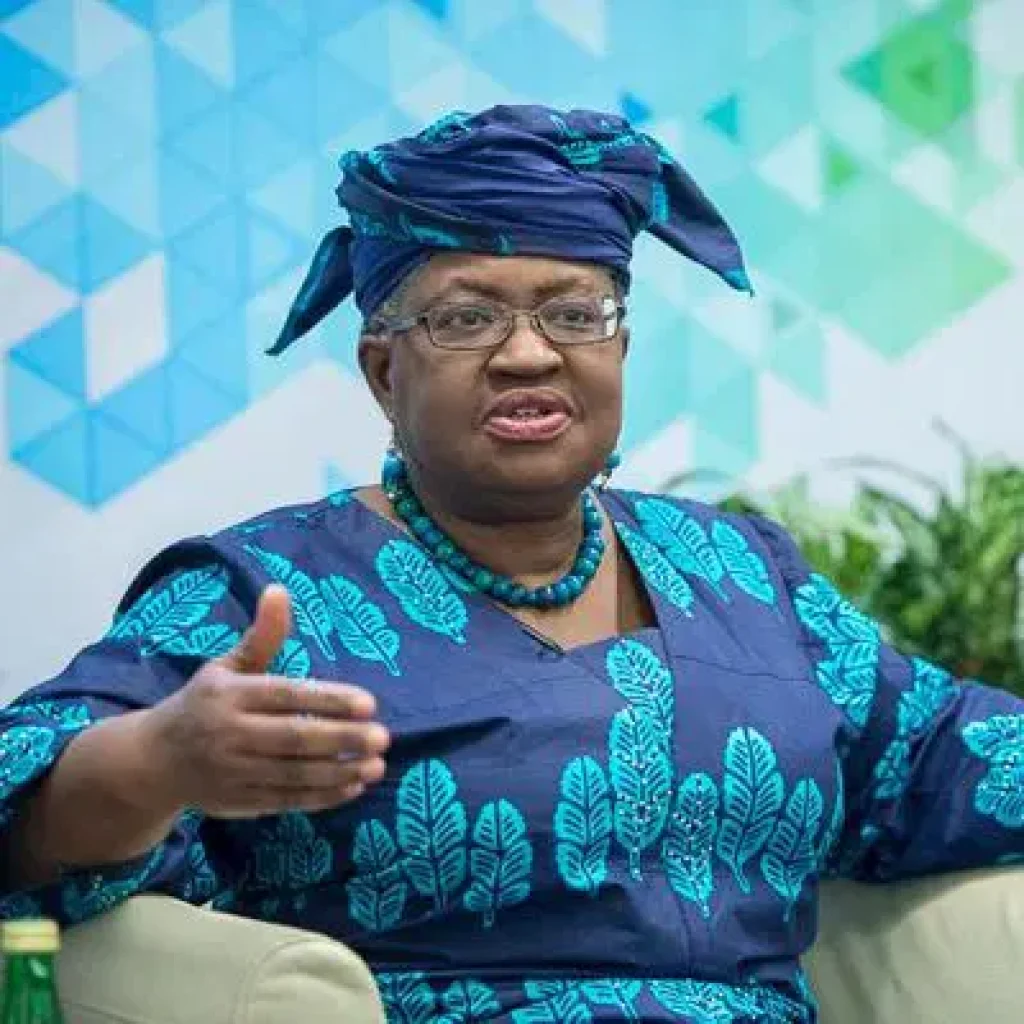
Director-General of the World Trade Organization (WTO), Dr. Ngozi Okonjo-Iweala, has said Delta State possesses the economic potential to emerge as one of Nigeria’s leading growth centres, noting that with the right investments, sound policies, and strategic planning, the state could rival Lagos as a major driver of national economic development. Speaking at a public event, Okonjo-Iweala highlighted Delta’s abundant natural resources, strategic location, expanding industrial base, agricultural potential, and growing private sector as key advantages that could accelerate sustainable economic growth. She stressed that unlocking the state’s full potential would require continued investment in infrastructure, education, healthcare, technology, energy, and human capital development. According to her, creating a business-friendly environment through transparent governance, policy consistency, and support for entrepreneurship would attract local and foreign investors while generating employment opportunities for young people. She also encouraged stronger collaboration between government, the private sector, and development partners to diversify the economy and reduce dependence on oil revenue. Economic analysts noted that Lagos has long been Nigeria’s commercial hub due to its large consumer market, ports, financial institutions, and industrial activities, but observed that other states, including Delta, have significant opportunities to expand their economic influence through strategic investments and economic diversification. They added that improving transportation networks, power supply, digital infrastructure, and ease of doing business would strengthen Delta’s competitiveness and attract new industries. Stakeholders described the remarks as a call for long-term planning and sustained investment aimed at unlocking the economic potential of states beyond traditional commercial centres. They maintained that inclusive economic policies, innovation, and effective governance remain essential to building resilient state economies capable of supporting national growth. The comments reinforce ongoing discussions on regional development and the importance of empowering states to become stronger contributors to Nigeria’s economic transformation.