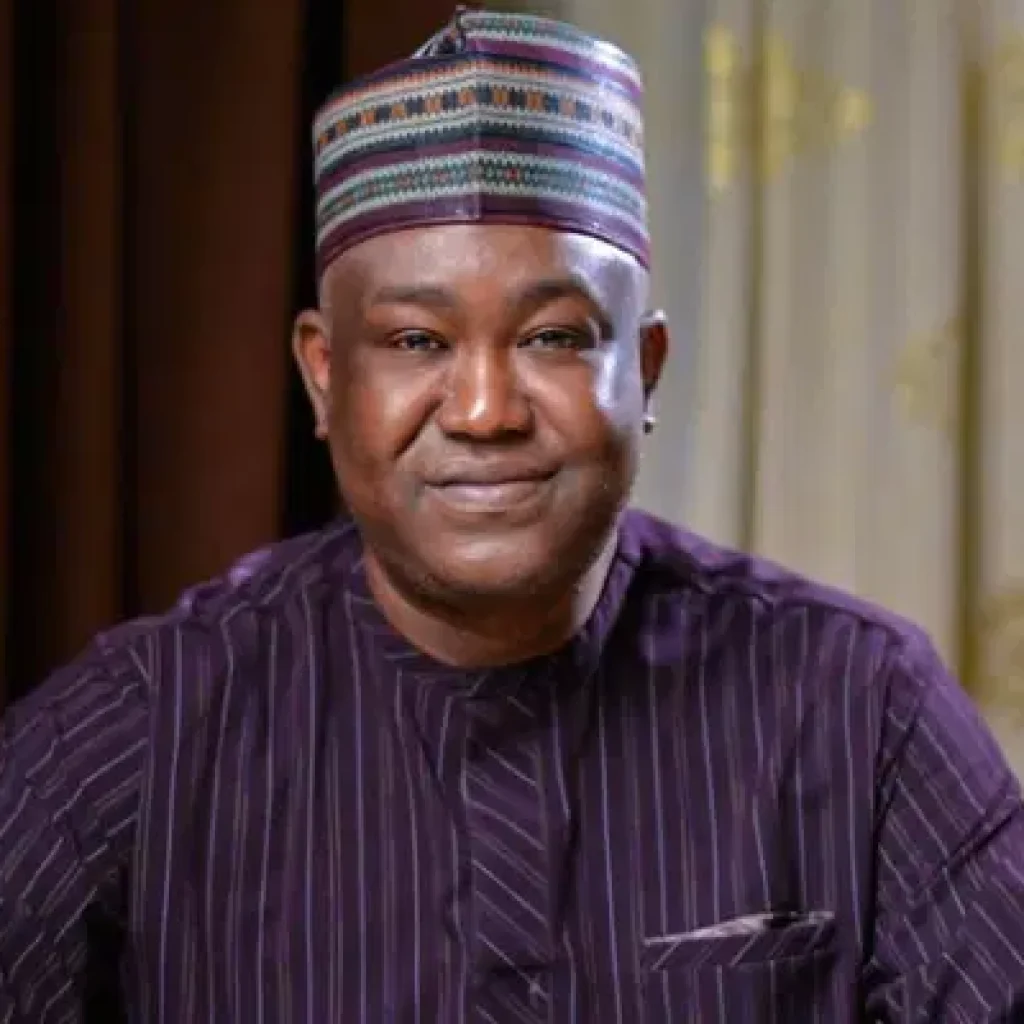
Former presidential candidate Gbenga Olawepo-Hashim has expressed sympathy for President Bola Ahmed Tinubu over the challenges of governing Africa’s most populous nation, while maintaining that his primary concern remains the overall wellbeing and future of Nigeria. Speaking on the country’s political and economic situation, Olawepo-Hashim said the weight of leadership comes with enormous responsibilities, particularly at a time when Nigerians are facing economic hardship, inflation, security concerns, and other national challenges. He noted that while the President deserves understanding for the complexity of the office, government policies must ultimately be evaluated by their impact on citizens’ lives. According to him, the nation’s progress should take precedence over partisan interests, with leaders expected to prioritise economic recovery, national unity, security, job creation, education, healthcare, and infrastructure development. He urged political leaders across party lines to focus on practical solutions capable of improving living standards and restoring public confidence in governance. Olawepo-Hashim also encouraged constructive dialogue among government, opposition parties, civil society organisations, and the private sector to address pressing national issues through cooperation rather than political confrontation. Political analysts observed that his comments reflect growing public discussions about governance, accountability, and policy outcomes as Nigeria prepares for future political contests. They noted that citizens increasingly expect leaders to present measurable achievements and sustainable strategies for tackling inflation, unemployment, insecurity, and economic development. Stakeholders have continued to advocate issue-based political engagement, peaceful democratic participation, and policies that promote inclusive growth while protecting the interests of ordinary Nigerians. They stressed that national development requires collaboration, responsible leadership, and long-term planning supported by transparent institutions and effective implementation. The remarks add to the broader national conversation on leadership, governance, and the collective responsibility of public officials to place Nigeria’s interests above political differences.