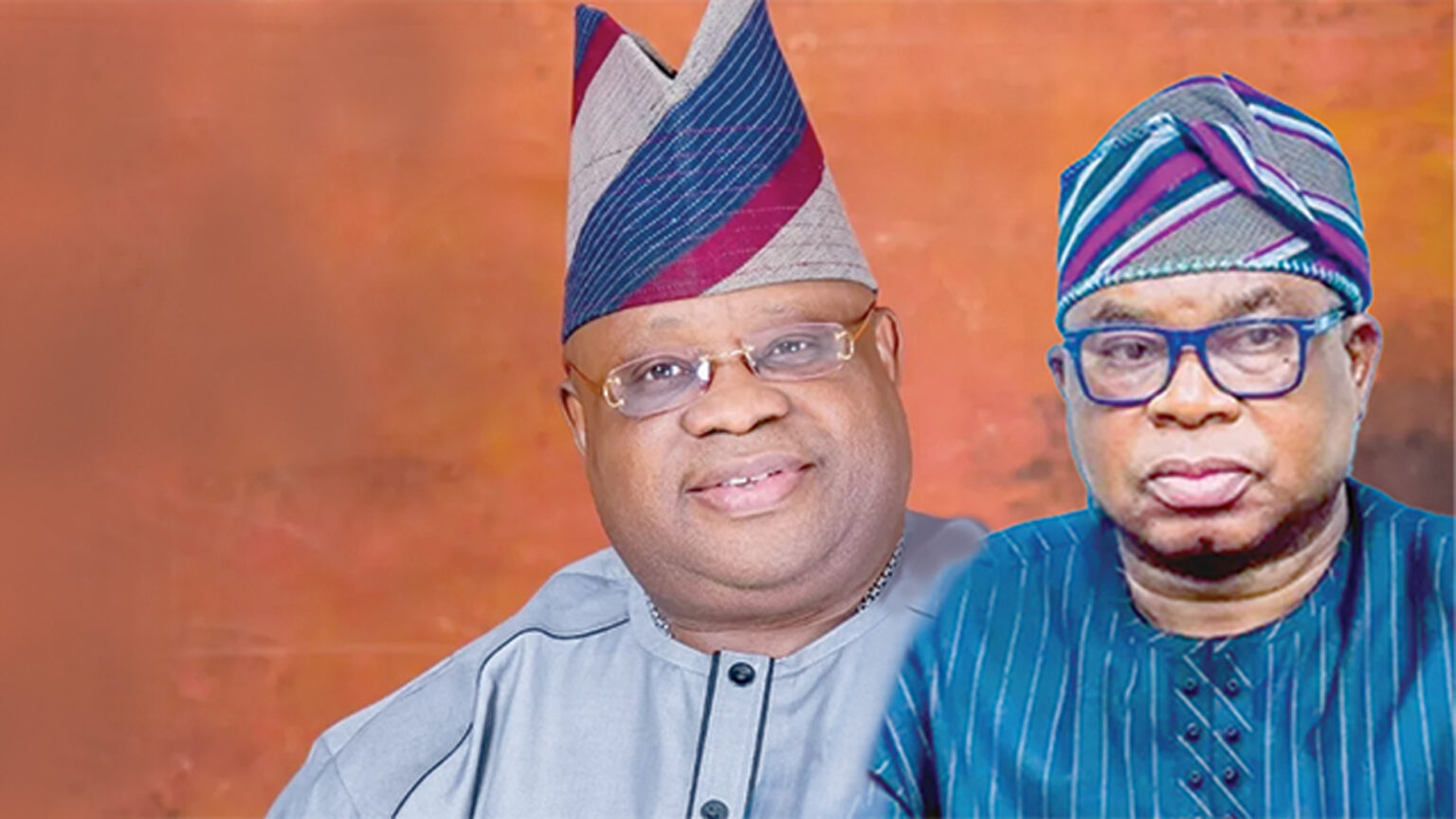
The Osun governorship election is entering a crucial stage, with last-minute political calculations, alliances, internal disagreements, campaign strategies, and behind-the-scenes negotiations likely to influence the final outcome. As political parties intensify their efforts to secure votes, candidates and their supporters are expected to focus on persuading undecided voters while strengthening their structures across the state’s local government areas. Political observers say developments in the final days of the campaign could significantly alter the balance of power, particularly if prominent figures change alliances or influential political actors decide to support competing candidates. Internal party disputes could also become important, as disagreements over candidate selection, campaign organisation, resource allocation, and local structures may affect the ability of political parties to mobilise supporters on election day. Analysts noted that the strength of grassroots networks will be critical, especially in communities where local political relationships often influence voter behaviour. Campaign teams are therefore expected to increase engagement with traditional leaders, community groups, youth organisations, women’s groups, and other influential stakeholders. Security remains another major concern as political competition intensifies. Stakeholders have urged security agencies to remain impartial and prevent intimidation, violence, vote buying, and other practices capable of undermining the credibility of the election. Electoral officials have also been encouraged to maintain transparency and ensure that voting materials and personnel reach polling units on time. Political analysts said the final outcome will ultimately depend on voter turnout, candidate popularity, party organisation, campaign effectiveness, and the ability of each political camp to protect its votes through lawful means. They cautioned political actors against spreading unverified information or using inflammatory rhetoric that could heighten tension across the state. Civil society organisations have called on voters to evaluate candidates based on their programmes, records, competence, and plans for governance rather than political pressure or inducements. With the election approaching, attention remains focused on the final political moves and whether they will significantly reshape the contest. Stakeholders continue to appeal for a peaceful, transparent, and credible election that reflects the genuine choice of Osun voters.