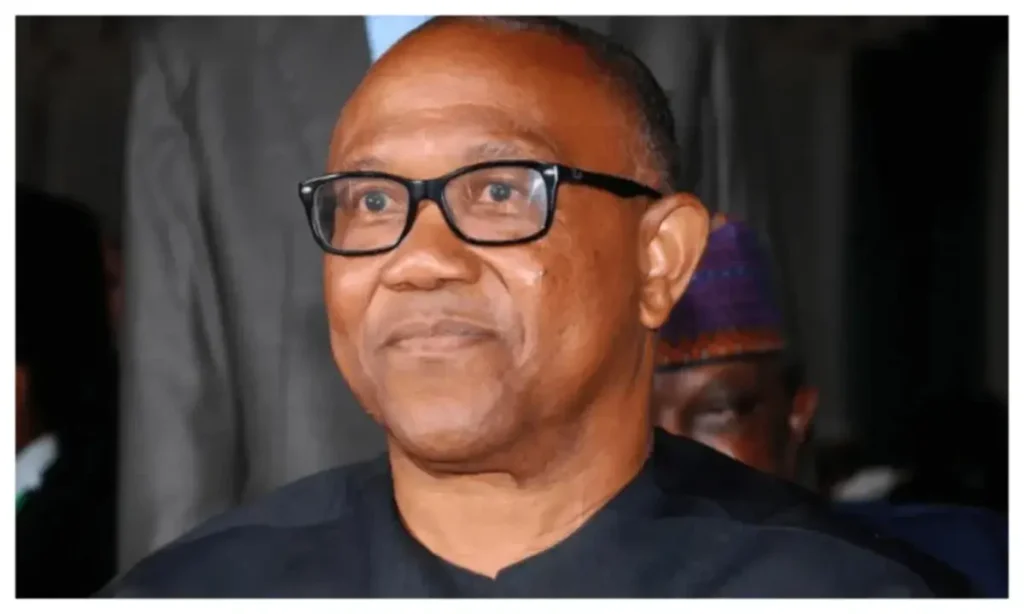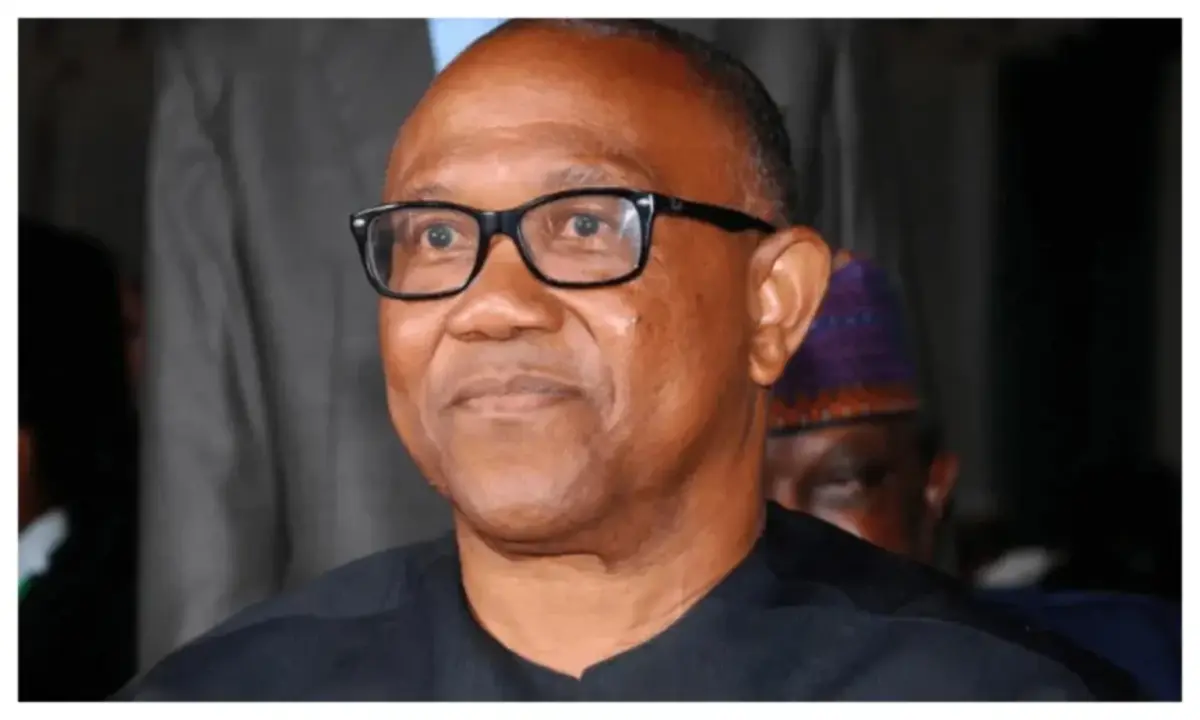
Former Anambra State Governor and Labour Party presidential candidate Peter Obi has appealed to Nigerians to pray for political leaders to stop stealing public funds and to embrace greater accountability in governance. Obi’s remarks have renewed discussion about corruption, public trust and the responsibility of political office holders to manage government resources in the interest of citizens. The former presidential candidate has consistently spoken about the need for responsible leadership, prudent management of public finances and greater investment in sectors that directly affect Nigerians. His latest appeal reflects concerns over allegations of corruption and financial mismanagement that have continued to feature prominently in public discussions about governance. Obi urged citizens to remain engaged with the political process and demand accountability from those entrusted with public responsibilities. Public resources are intended to finance essential services and infrastructure, including healthcare, education, roads, security and social development. When funds are allegedly diverted or mismanaged, citizens may experience poor services and increased economic hardship. Corruption can also undermine investor confidence, weaken institutions and make it more difficult for governments to implement development programmes effectively. Nigeria has introduced several measures over the years to combat corruption, including financial regulations, public procurement rules and investigations by anti-corruption agencies. However, challenges remain in ensuring that allegations are investigated promptly and that individuals found guilty are appropriately sanctioned. Obi’s comments also highlight the role citizens can play in promoting accountability. Voters have the opportunity to assess political candidates based on their records and promises before elections and to demand explanations from elected officials after they assume office. Civil society organisations, journalists and other stakeholders also contribute by monitoring public spending and reporting concerns about government activities. The former governor has often argued that Nigeria needs to shift attention toward production, human capital development and effective management of its resources. His appeal for Nigerians to pray for politicians reflects the frustration many citizens feel about corruption and the slow pace of development in some areas. At the same time, addressing corruption requires more than public appeals. Strong institutions, transparent systems, effective audits, independent investigations and consistent enforcement of the law are important for reducing opportunities for financial misconduct. Political parties also have a role in promoting candidates with credible records and ensuring that elected officials remain accountable. Obi’s statement is likely to generate further debate about the quality of political leadership in Nigeria and the measures needed to strengthen public confidence in government. As the country prepares for future elections, issues surrounding corruption, accountability and responsible use of public resources are expected to remain central to political discussions. Nigerians will continue to assess leaders based on how effectively they address economic challenges and use public resources to improve living conditions.