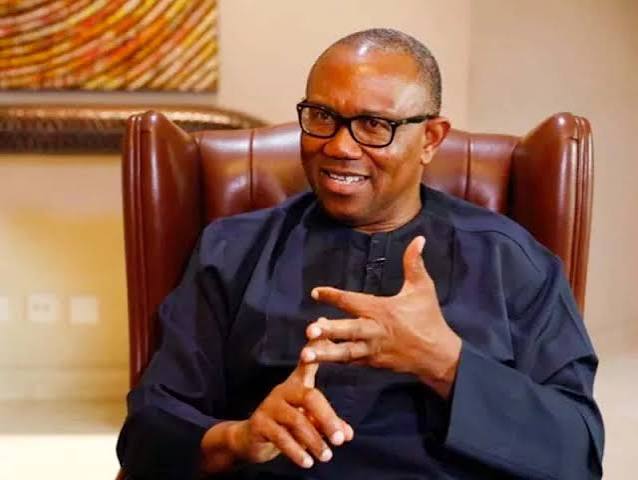
Former presidential candidate Peter Obi is once again at the centre of Nigeria’s political conversation as supporters and critics debate his proposal to serve only one four-year term if elected president in 2027.
The Nigeria Democratic Congress (NDC) has defended the position, arguing that Obi’s promise reflects his willingness to focus on delivering results rather than pursuing another term in office.
The debate has attracted additional attention following comments by economist and NDC chieftain Pat Utomi, who expressed confidence in Obi’s ability to improve Nigeria’s economic situation.
Utomi reportedly suggested that Obi could strengthen the naira to ₦500 against the dollar and reduce food prices if elected. These are political projections, however, and should not be mistaken for guaranteed economic outcomes.
The discussion comes as political parties and their supporters intensify preparations for the 2027 elections.
For many Nigerians, the central issue is not simply how long a president intends to remain in office. They want to know how candidates plan to tackle inflation, unemployment, insecurity, electricity challenges and the rising cost of living.
Obi’s single-term proposal may appeal to voters looking for a different style of leadership, but the real test will be whether his economic and governance plans can convince Nigerians that the promises are achievable.