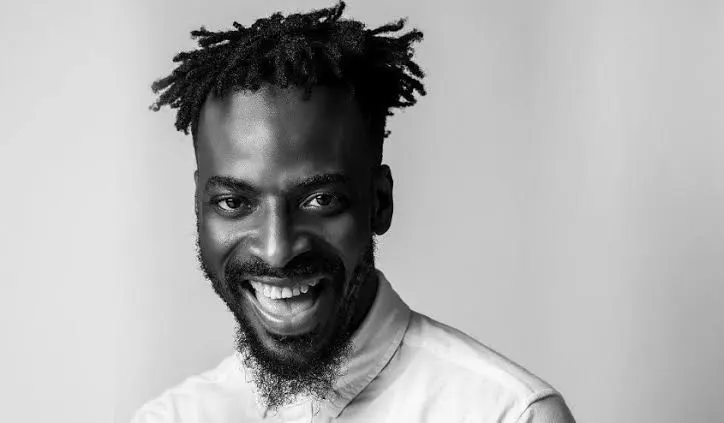
Veteran singer 9ice (Alexander Adegbola Akande) has ignited a firestorm across Nigerian social media following a series of blunt remarks concerning the country’s religious culture and its impact on national development.
Speaking at his “Beginning of Wisdom” listening party and subsequent interviews covered by GoldMyne TV and Pulse Nigeria on April 9, 2026, the “Gongo Aso” crooner argued that decades of fervent prayer have failed to fix Nigeria’s structural issues.
The “Pragmatic Solutions” Argument
9ice’s critique centered on what he views as a misplacement of energy, where religious devotion often replaces professional productivity:
- The Productivity Gap: He drew a sharp comparison between Nigeria and the UK, noting that while Nigerians spend excessive time in midweek services, vigils, and Bible studies, people in more developed nations focus that time on their jobs. “You don’t have a job, but you are constantly going to church,” he lamented.
- Failure of Prayer: 9ice argued that despite being one of the most religious nations on earth, Nigeria remains “backwards” in security and infrastructure. He stated bluntly: “Ever since you’ve been calling on Allah and Jesus, this country hasn’t gotten any better.”
- The Pilgrimage Critique: He questioned the logic of spending limited resources to travel to Mecca or Jerusalem to “lick rocks” or visit holy sites while the domestic economy crumbles.
The “Babalawo” Bombshell
Adding a surprising layer to the debate, 9ice used the platform to make a personal revelation about his own spiritual path:
- Practicing Traditionalist: The singer disclosed that he has been a practicing Babalawo (a Yoruba traditional priest) for over 18 years, a fact he had previously kept hidden from the public.
- Cultural Reclaim: He identified himself as a traditionalist, crediting an Ifa priest with healing him from a past spiritual attack. He also criticized Nollywood for what he called the “misrepresentation” and “demonization” of African traditional religions.
Divided Public Reaction
The comments have polarized the digital space:
- Supporters: Many fans agreed with his stance on the “industrialization of religion,” arguing that Nigeria’s obsession with miracles has stifled the drive for policy reform and hard work.
- Critics: Religious groups and some social media users have slammed the singer, accusing him of being “sacrilegious” and arguing that Nigeria’s problems stem from bad governance, not faith. Others met his “Babalawo” confession with mockery, questioning its relevance to modern economic discourse.