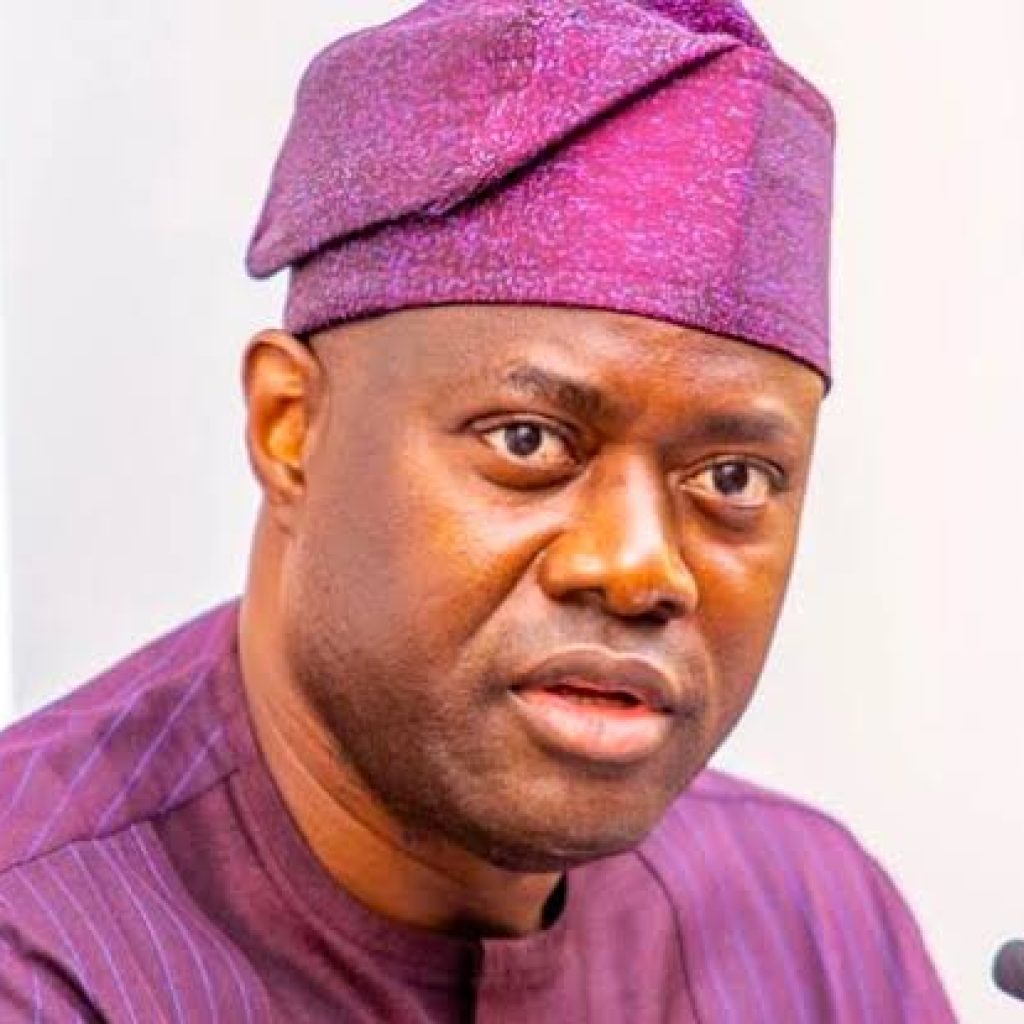
A statement by Seyi Makinde has sparked fresh conversations about vote buying and the role of money in Nigerian elections ahead of the 2027 general elections.
Speaking during the flag-off of the Allied Peoples Movement presidential campaign in Bauchi State on Saturday, Makinde urged Nigerians not to allow monetary inducements from politicians to determine their choice of leader.
His message was particularly striking because he told supporters they could accept money offered during campaigns but should still vote according to their conscience.
Makinde argued that voters should not surrender their political choices simply because politicians offer financial incentives. He also called for a national reset, pointing to hunger, insecurity and a lack of inclusion in governance as problems requiring urgent attention.
Bauchi State Governor Bala Mohammed attended the campaign event and expressed support for Makinde’s presidential ambition.
The statement has opened another debate about the culture of vote buying in Nigeria. While some may interpret the advice as a practical response to a familiar election-season reality, critics could argue that accepting inducements still encourages a system that weakens electoral accountability.
Ultimately, voters have the responsibility to choose leaders based on policies, competence and performance rather than temporary financial benefits.