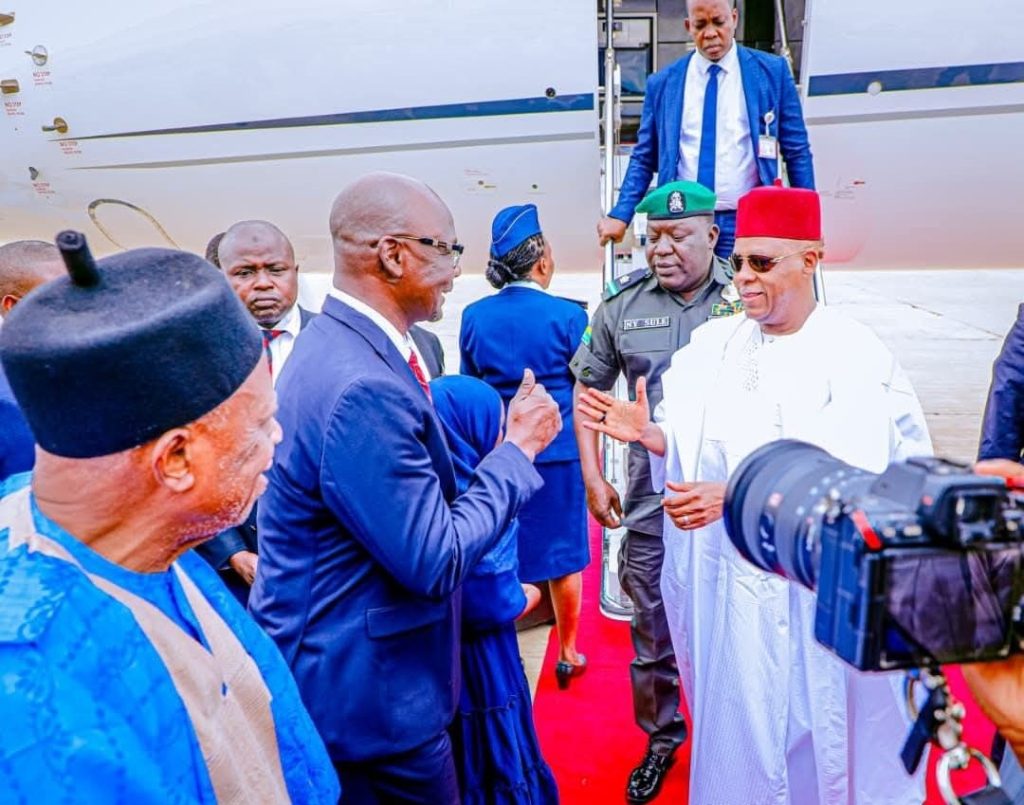
Vice President Kashim Shettima has once again reassured Nigerians of President Bola Tinubu’s unwavering commitment to resolving the country’s multi-faceted challenges.
Speaking at a recent event in Abuja on Wednesday, May 6, 2026, Shettima emphasized that while the current economic and security reforms are “painful surgery,” they are necessary to correct decades of structural decay.
Key Highlights of the VP’s Address
The Vice President’s message focused on resilience, the “Renewed Hope” agenda, and the long-term vision of the administration:
- Temporary Hardship for Permanent Recovery: Shettima acknowledged the difficulties many Nigerians are facing but maintained that the “wounds are temporary.” He argued that the removal of fuel subsidies and the unification of exchange rates—while difficult—were unavoidable steps to prevent a total economic collapse.
- Political Will: He praised President Tinubu’s “courageous leadership,” noting that the President is not afraid to make unpopular decisions today if they guarantee a prosperous tomorrow for the next generation.
- Security and Economy: The VP reiterated that the administration is working tirelessly to secure communities and attract foreign investment, noting that global confidence in Nigeria is gradually being restored due to consistent policy directions.
- A Call for Unity: Amidst the heat of the 2026 primary season, Shettima urged Nigerians and political actors to “aspire but not divide,” stressing that national progress requires collective sacrifice and patience.
Context: The 2026 Landscape
This latest assurance comes at a critical juncture for the administration:
- The 18.3M Crisis: With experts highlighting that Nigeria now has 18.3 million out-of-school children, the government is under pressure to match its “fixing” rhetoric with increased funding for education and social welfare.
- Political Realignment: The recent formation of the Nigeria Democratic Congress (NDC) by Peter Obi and Rabiu Kwankwaso has ramped up the political stakes, forcing the presidency to engage in a more aggressive “communication of achievements” to retain public trust.