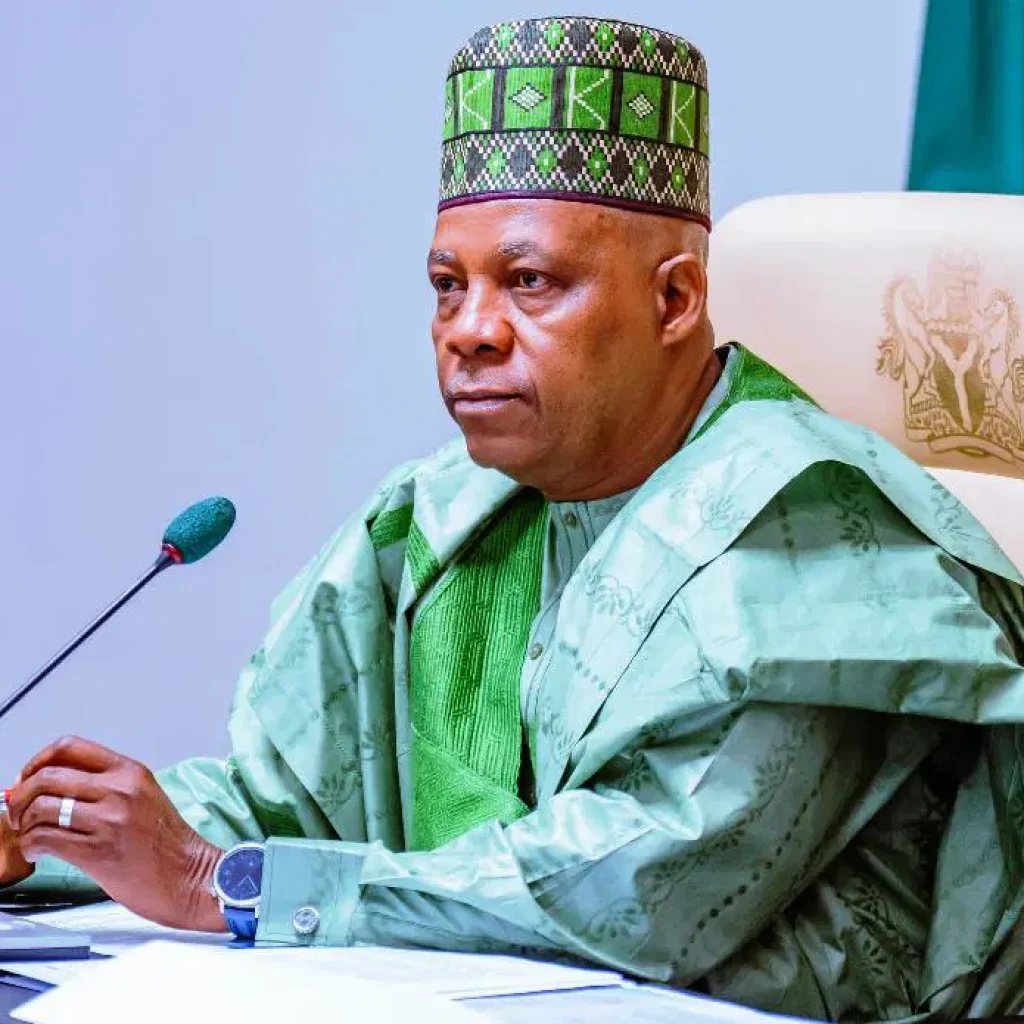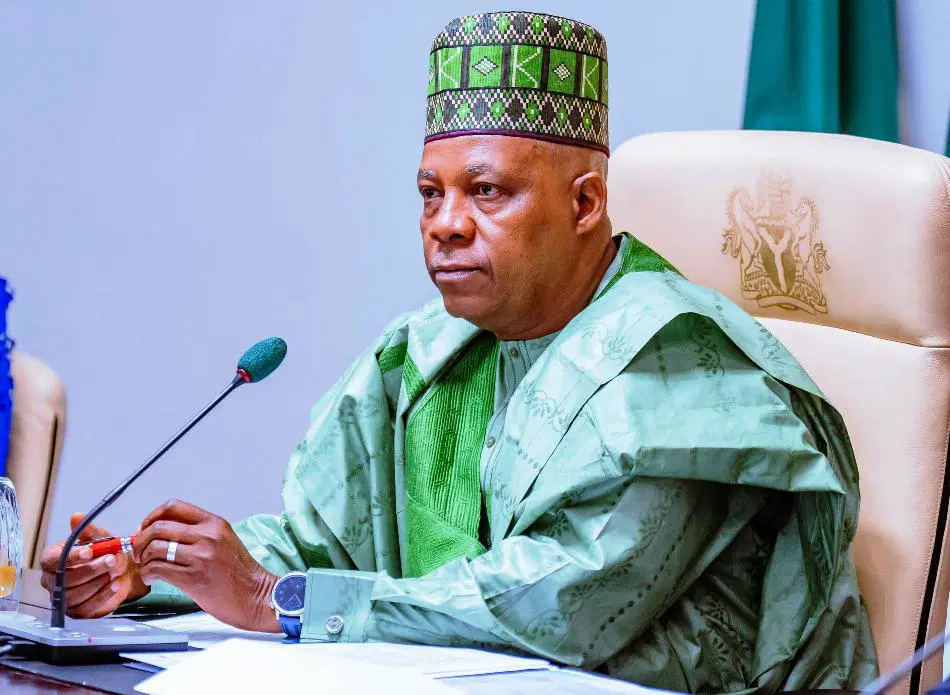
Vice President Kashim Shettima has said Nigeria cannot achieve its goal of building a one trillion dollar economy without strengthening governance, improving institutional capacity, and creating an environment that supports sustainable economic growth. Speaking at a public event, Shettima stressed that sound governance remains the foundation for attracting investment, encouraging innovation, and driving long-term national development. He explained that economic transformation requires transparent institutions, effective public policies, accountability, and consistent implementation of reforms capable of boosting investor confidence and improving productivity across key sectors. According to the Vice President, weak governance structures can undermine economic progress by discouraging investment, limiting job creation, and slowing infrastructure development. He urged leaders at all levels of government to remain committed to policies that promote fiscal discipline, efficient public service delivery, and responsible management of national resources. Shettima also highlighted the importance of collaboration between the public and private sectors, noting that economic growth depends on partnerships that encourage industrial expansion, entrepreneurship, technology, agriculture, manufacturing, and human capital development. He reaffirmed the Federal Government’s commitment to implementing reforms aimed at strengthening the business environment, expanding opportunities for local and foreign investors, and accelerating inclusive growth across the country. The Vice President expressed confidence that with strong institutions, policy consistency, improved security, and accountable leadership, Nigeria possesses the human and natural resources needed to achieve its long-term economic objectives. He called on stakeholders, including government agencies, businesses, development partners, and citizens, to work together in building a resilient economy capable of creating jobs, reducing poverty, improving living standards, and positioning Nigeria as one of Africa’s leading economic powers.