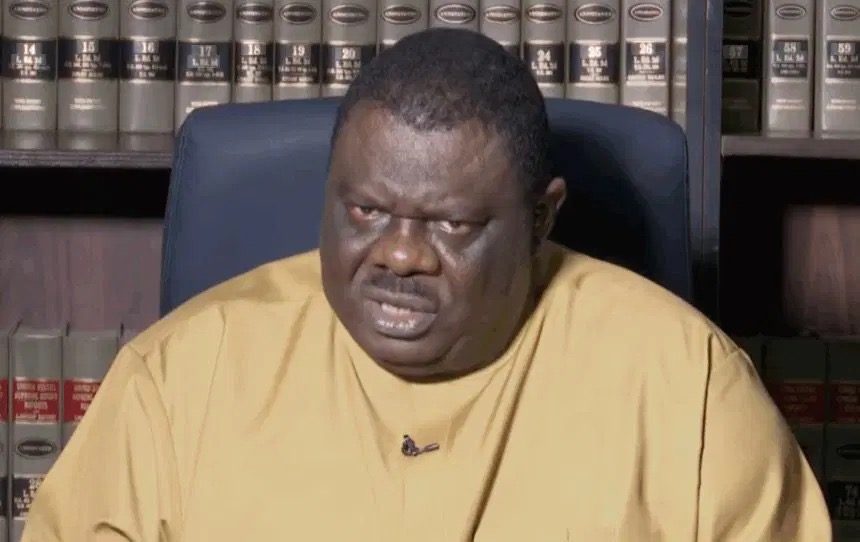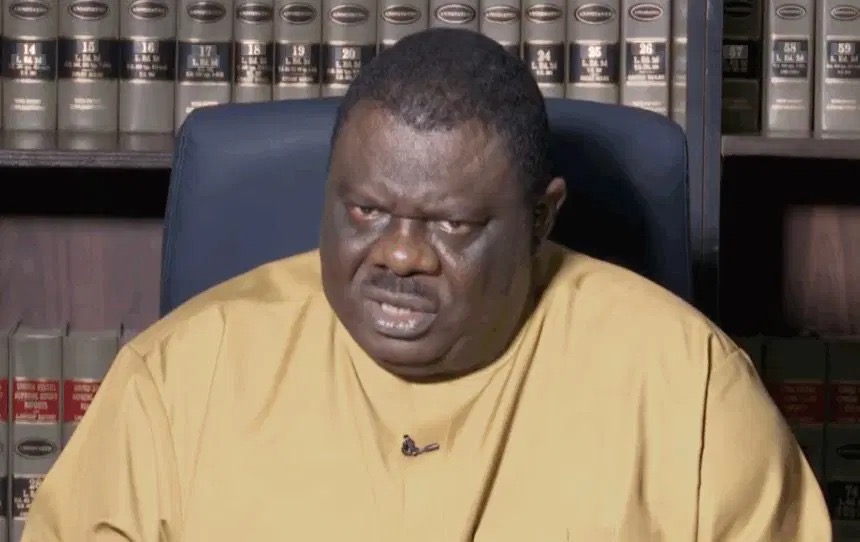
Former Attorney-General and Minister of Justice Michael Aondoakaa has cautioned that the proposed establishment of state police must be designed to prevent politicians from controlling police officers or influencing the procurement and distribution of firearms. His position highlights one of the central concerns surrounding the debate over state policing in Nigeria, particularly the possibility of political interference in law enforcement. Supporters of state police argue that decentralising policing could improve security because officers would operate closer to the communities they serve. They believe state-based security structures could respond more quickly to local threats and improve intelligence gathering. However, critics have raised concerns about the potential for governors and other political actors to use state police against political opponents or other perceived rivals. Aondoakaa’s warning reflects the need for strong safeguards if state police becomes part of Nigeria’s security architecture. He stressed the importance of establishing clear rules that would separate policing responsibilities from partisan political interests. The recruitment of officers would therefore need to follow transparent procedures based on qualifications, competence and professional standards. Similarly, the procurement of firearms and other security equipment would require strict oversight to prevent misuse and ensure accountability. The debate over state police has continued for years as Nigeria faces challenges including kidnapping, banditry, terrorism, communal violence and other forms of insecurity. The existing Nigeria Police Force operates primarily under federal authority, while state governments have limited direct control over policing despite being responsible for significant security-related spending and support. Advocates of state police believe a decentralised system could address some of the limitations of the current structure. However, concerns about human rights, accountability, funding and political interference remain significant. Any new policing arrangement would need independent oversight mechanisms to protect officers and citizens from abuse. It would also require clear constitutional and legal provisions defining the powers of state police authorities and their relationship with federal security agencies. Training would be another important consideration because officers would need to meet professional standards and understand their responsibilities under the law. Effective coordination between state and federal security agencies would also be necessary to prevent conflicts and ensure that criminal investigations and intelligence operations are properly managed. Aondoakaa’s remarks add to the broader discussion about how Nigeria can improve internal security while protecting democratic institutions. If state police is eventually established, its success will depend heavily on the quality of its legal framework and the safeguards against political control. The recruitment, training, deployment and arming of officers would need to be governed by transparent rules rather than individual political interests. Strong accountability mechanisms could help build public confidence and ensure that state police serves communities rather than political organisations. As discussions continue, stakeholders will need to carefully consider both the potential benefits and risks of decentralised policing.