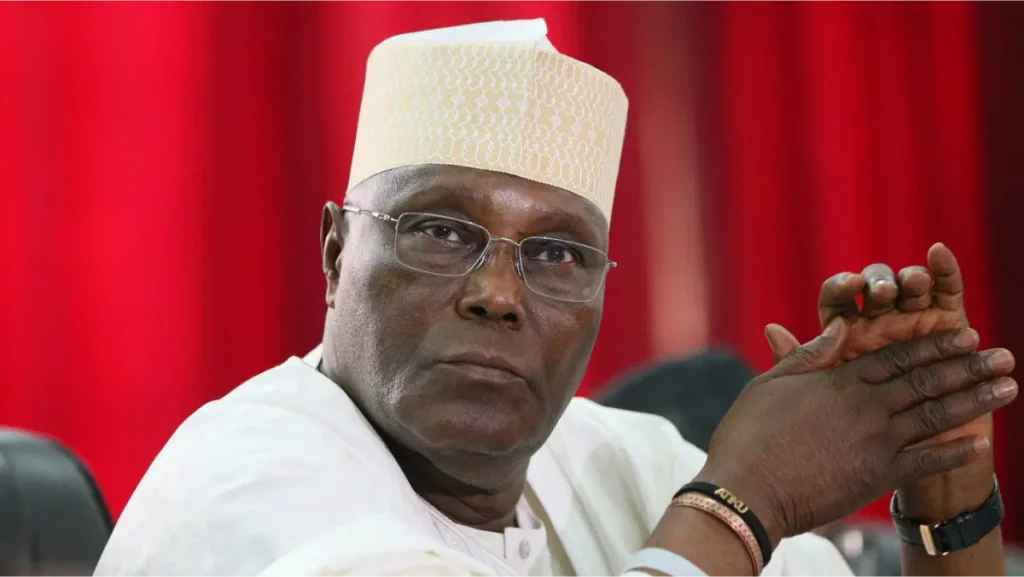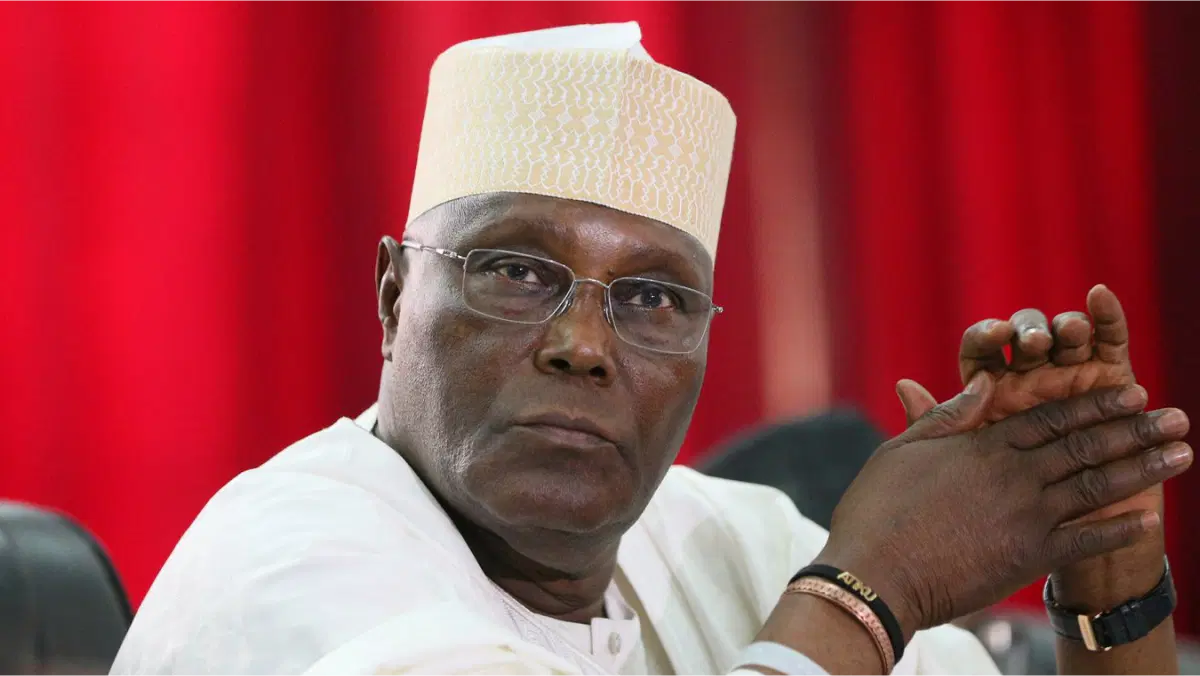
Former Vice President Atiku Abubakar has clarified his position on the removal of Nigeria’s petrol subsidy, distancing himself from comments reportedly made by one of his aides and insisting that his stance on the matter remains unchanged. The development has added another layer to the continuing political debate over petrol pricing and the economic reforms introduced by the Federal Government. Atiku’s clarification comes amid discussions about the consequences of subsidy removal, which has contributed to significant changes in petrol prices and increased transportation and living costs for many Nigerians. The former vice president has previously criticised aspects of the government’s approach to the subsidy issue and called for policies that would better protect citizens from the economic impact of the reform. According to the latest clarification, Atiku said his position has not changed, indicating that statements attributed to his aide should not be interpreted as a shift in his personal or political position. The development has attracted attention because fuel subsidy remains one of the most contentious economic issues in Nigeria. Supporters of subsidy removal argue that the policy placed a heavy financial burden on government and created opportunities for inefficiency, while opponents maintain that its removal without adequate social protection has placed excessive pressure on households and businesses. The disagreement also reflects wider differences between the ruling All Progressives Congress, APC, and opposition figures over how Nigeria’s economy should be managed. The Tinubu administration has defended the subsidy removal as part of broader reforms designed to improve government finances, attract investment and encourage greater efficiency in the petroleum sector. Critics have continued to demand measures that reduce the impact of higher fuel prices on ordinary Nigerians. Atiku’s clarification is likely to keep the subsidy debate active as political parties begin positioning themselves ahead of the 2027 general election. Economic policy is expected to remain a major campaign issue, with political actors presenting different approaches to fuel pricing, inflation, employment and household welfare. The former vice president’s decision to publicly restate his position also underscores the importance of distinguishing between statements made by political aides and the official position of a political leader. As the debate continues, Nigerians will be watching how Atiku and other political figures address the future of the petroleum sector and the broader economic challenges facing the country.