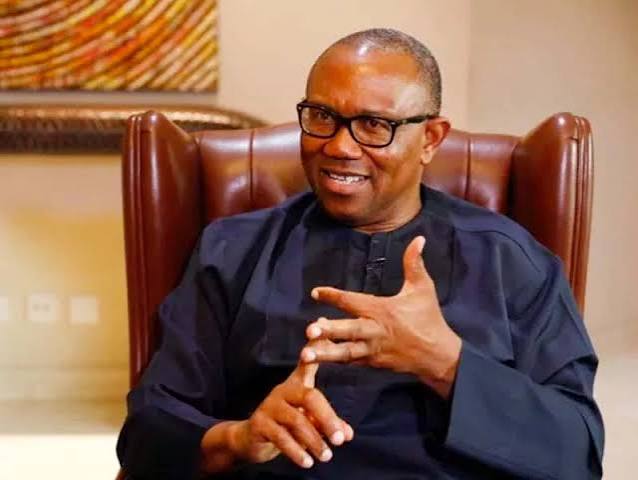
The political landscape in Anambra State has experienced a fresh wave of controversy as the state’s Commissioner for Information stepped forward with startling claims regarding the financial obligations left behind by past administrations. According to government authorities, the current statutory allocations of the state continue to be heavily burdened by debt servicing deductions linked directly to loans obtained during the tenure of former Governor Peter Obi.
The assertion has reignited a fierce war of words over fiscal responsibility, transparency, and the true state of the treasury inherited by successive administrations. State officials argued that a significant portion of incoming federal revenue is routinely funneled into servicing legacy liabilities, which severely constrains the present government’s capacity to execute expansive infrastructural projects and rapid developmental programs. By bringing these financial realities to light, the administration aims to counter prevailing public narratives that downplay the long-term economic repercussions of past borrowing patterns.
On the other side of the divide, supporters and defenders of the former governor have consistently maintained that all loans secured during his tenure were transparently utilized for critical capital investments, such as education, healthcare, and road infrastructure, with clear repayment structures designed not to cripple future governance. They contend that shifting focus to historical debts is a political distraction intended to deflect accountability from current revenue management and internal generation efforts.
As the debate continues to rage across traditional and digital media platforms, citizens and financial analysts are left parsing competing claims about fiscal management, state debt profiles, and the lasting impact of political leadership on grassroots development in the South-East state.