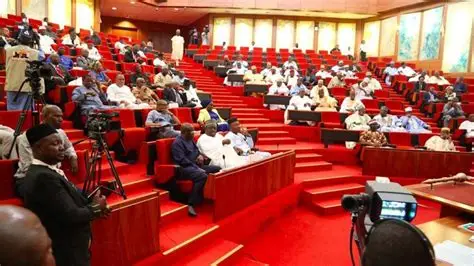
Nigeria’s borrowing debate has returned to the spotlight after the Senate approved President Bola Tinubu’s request for a massive external borrowing plan worth $20.517 billion and €1.45 billion.
The approval covers proposed borrowing for projects under the Federal Government’s 2026 and 2027 financing plans.
The decision has attracted attention because of the country’s existing debt obligations and the growing public debate about whether borrowing is the best way to finance national development.
Supporters of external borrowing argue that properly managed loans can provide the funding required for critical infrastructure, economic expansion and development projects.
However, critics are concerned about the long-term implications of accumulating more foreign debt, particularly when Nigerians are still struggling with high living costs and economic uncertainty.
There are also questions about how effectively borrowed funds will be utilised and whether the projects financed through such loans will generate enough economic value to justify the repayment obligations.
The Senate’s approval came shortly before President Tinubu submitted his request for a revised 2026 budget.
The timing has placed the administration’s borrowing and spending plans under renewed public scrutiny.
For many Nigerians, the concern is simple: if the country continues borrowing billions of dollars, citizens should be able to see clear evidence of development.
Better roads, improved electricity, stronger healthcare facilities and more employment opportunities are among the results many people expect from government borrowing.
The real test will therefore not just be how much Nigeria borrows, but what the country ultimately gets in return.