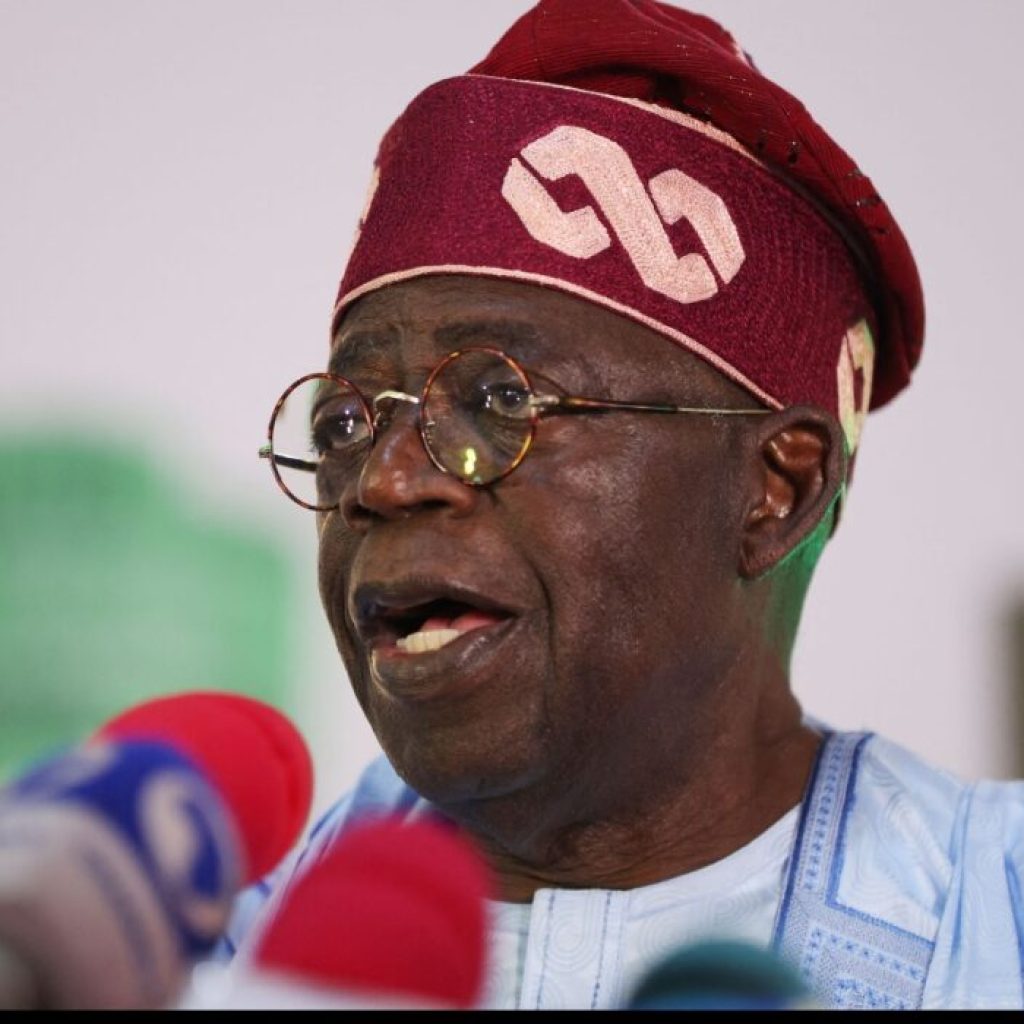
President Bola Ahmed Tinubu has said Nigeria’s membership of the World Energy Council, WEC, will strengthen the country’s energy reform agenda and create opportunities for greater cooperation with global energy stakeholders. The development is expected to support Nigeria’s efforts to improve energy security, attract investment, expand electricity access, and promote sustainable development across the sector. Tinubu said participation in the global energy body would give Nigeria greater access to international expertise, policy discussions, research, and partnerships that could contribute to the transformation of the country’s energy landscape. The energy sector remains central to Nigeria’s economic development, with reliable electricity and access to affordable energy considered essential for manufacturing, agriculture, telecommunications, transportation, and small businesses. Industry experts said stronger engagement with international energy institutions could help Nigeria learn from successful reforms in other countries while developing solutions suited to its own resources and economic conditions. They also noted that collaboration could support investment in renewable energy, natural gas, electricity generation, transmission, distribution, and emerging energy technologies. Stakeholders stressed that attracting private investment will require predictable regulations, transparent policies, efficient institutions, and improved infrastructure. They added that Nigeria must continue addressing challenges affecting electricity supply, including inadequate generation capacity, transmission limitations, distribution losses, gas availability, and financing constraints. Energy analysts also said the country’s membership could strengthen its voice in international discussions on energy transition, climate policy, energy access, and sustainable development. They urged the government to use the platform to promote Nigeria’s energy interests while ensuring that reforms deliver measurable benefits to households and businesses. Increased international cooperation could also help develop technical skills and create opportunities for Nigerian professionals to participate in global energy initiatives. Stakeholders welcomed the move and expressed hope that WEC membership would complement ongoing reforms and encourage deeper partnerships across the energy value chain. They emphasised that successful implementation will ultimately depend on translating international cooperation into practical investments, stronger institutions, improved infrastructure, and more reliable energy services for Nigerians.