As Nigeria moves closer to the 2027 presidential election, opposition parties are facing a familiar but difficult question: can they agree on a common candidate, or will competing ambitions weaken their challenge to the ruling APC?
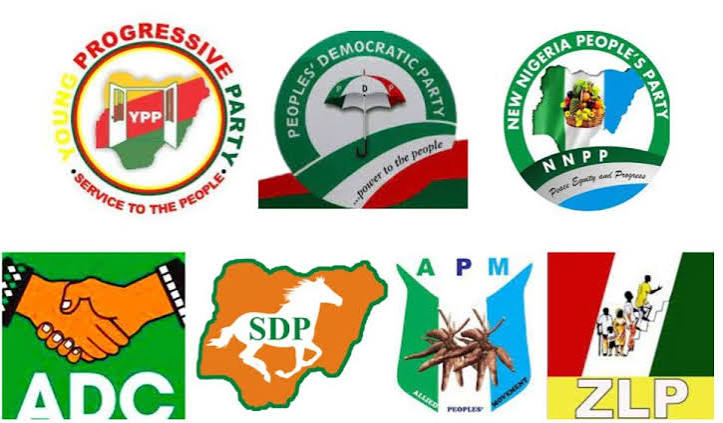
Representatives of several opposition parties, including the African Democratic Congress, Nigeria Democratic Congress, Peoples Redemption Party, Social Democratic Party, Allied Peoples Movement and Peoples Democratic Party, have been discussing a possible framework for cooperation. Names mentioned in the debate include Atiku Abubakar, Peter Obi, Donald Duke and Adewale Adebayo.
The argument for cooperation is straightforward. A united opposition could potentially pool political networks, campaign resources and voter support to mount a stronger challenge against an incumbent president. But agreeing to work together is not the same as agreeing on who should lead the ticket.
Each political figure brings a different constituency and political identity. Supporters may resist the idea of their preferred candidate stepping aside, while party leaders must consider how a coalition would affect their structures and future influence.
There is also no guarantee that voters will automatically transfer their support from one candidate to another simply because political leaders announce an agreement. A successful coalition would need a credible shared programme, a transparent process for selecting its candidate and a convincing explanation of what it intends to change.
The ruling APC, meanwhile, is building its campaign machinery and seeking support from political leaders across the country. That gives the opposition an incentive to settle its differences early rather than leave difficult negotiations until the campaign is already underway.
For voters, the debate should be about more than political calculations. Nigerians will want to know what each candidate proposes on jobs, security, education, healthcare and the cost of living.
Whether the opposition can produce a credible common front remains uncertain. But as campaign activity intensifies, its ability to manage internal differences could become one of the defining stories of the 2027 election.