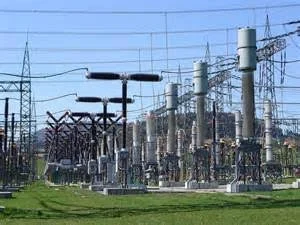
Transmission network faults have disrupted electricity allocations to Lagos, Abuja and several other parts of Nigeria, leaving residents and businesses to contend with reduced power supply. The disruptions have raised fresh concerns about the reliability of the country’s electricity transmission infrastructure and the challenges facing the power sector. Transmission facilities play a critical role in moving electricity generated by power plants to distribution companies, which then supply homes, offices and businesses. When faults occur on key transmission lines or substations, the amount of electricity available for distribution can decline, affecting several communities at the same time. Lagos and Abuja are among the major electricity-consuming areas in the country, with households, commercial establishments and industries relying heavily on a stable power supply. A reduction in available electricity can increase operating costs for businesses that depend on generators and alternative energy sources. Small businesses are particularly vulnerable because higher energy expenses can reduce profits and increase the cost of goods and services. The latest disruption highlights the importance of maintaining and upgrading Nigeria’s transmission network. Industry stakeholders have repeatedly called for increased investment in transmission infrastructure to improve capacity, reduce system failures and support the growing demand for electricity. Addressing technical faults quickly is also important to minimise the duration and impact of outages. The transmission system has faced several challenges over the years, including ageing equipment, limited capacity, vandalism and technical failures. These issues can affect the ability of the national grid to deliver electricity consistently across different regions. Power generation levels and distribution infrastructure also influence the amount of electricity ultimately received by consumers. Authorities and operators are expected to work together to restore affected transmission facilities and improve supply to areas experiencing reduced allocations. Consumers will be watching for improvements as repairs are carried out and electricity availability gradually recovers. The disruption also underscores the need for a coordinated approach to Nigeria’s power sector challenges. Improvements in generation alone may not deliver reliable electricity if transmission and distribution networks remain constrained. Sustained investment across the entire electricity value chain is therefore necessary to achieve more dependable power supply. For Lagos, Abuja and other affected locations, restoring stable electricity remains the immediate priority. In the longer term, strengthening transmission infrastructure could reduce the frequency of similar disruptions and improve the reliability of electricity supplied to millions of Nigerians.