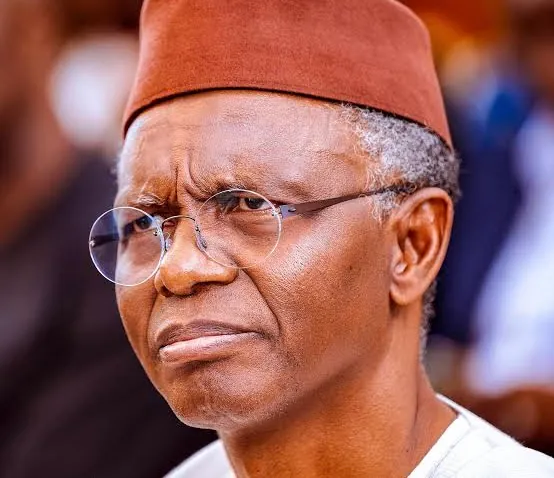
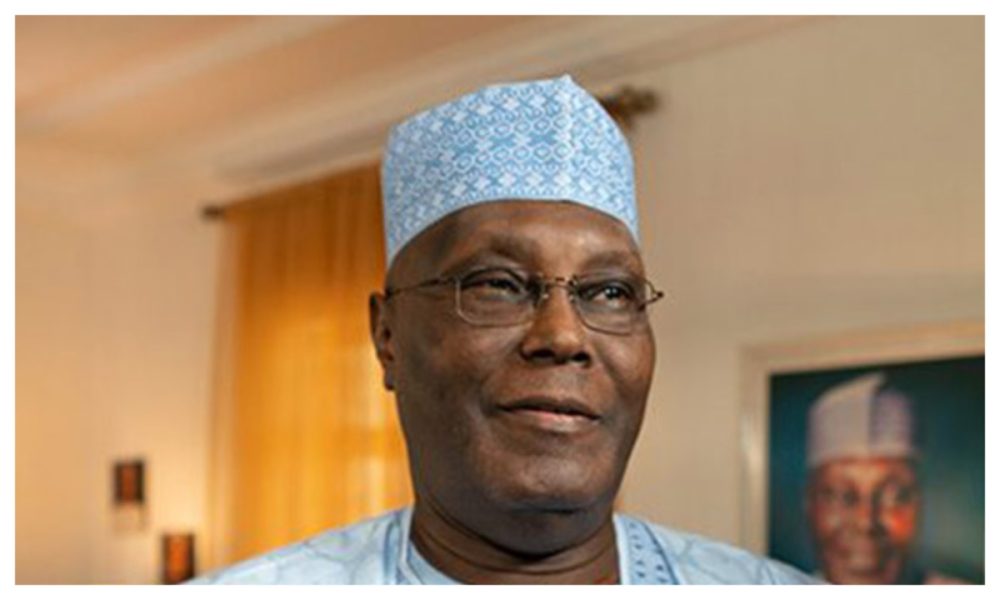
The continued detention of Nasir El-Rufai, the former governor of Kaduna State, has drawn sharp criticism from Atiku Abubakar, the presidential candidate of the African Democratic Congress (ADC). Atiku is strongly condemning the incredibly rigid and stringent bail conditions handed down by the Federal High Court in Abuja, calling them an intentional and calculated “constructive denial of bail.”
The legal controversy erupted after Presiding Judge Joyce Abdulmalik granted El-Rufai bail in the sum of ₦100 million with one surety in like sum. However, the court added exceptionally specific bottlenecks, ruling that the surety must be a serving Grade Level 17 federal civil servant who explicitly resides within the elite Maitama or Asokoro districts of Abuja. Furthermore, the surety is mandated to deposit the original Certificate of Occupancy (C of O) of a landed property within those specific high-brow areas with the court registry.
Reacting via a powerhouse press statement issued by his Senior Special Assistant on Public Communication, Phrank Shaibu, Atiku argued that while the judiciary possesses the legal authority to set bail conditions, such powers must be exercised with extreme caution and high judicial discretion. He noted that setting conditions that are practically impossible to fulfill completely defeats the constitutional purpose of bail, weaponizing the judicial system into a sophisticated tool for pre-trial punishment. Atiku pointed out that under Nigerian law, an accused person is strictly presumed innocent until proven guilty, and bail is meant to preserve that freedom rather than guarantee continuous incarceration.
The opposition leader warned that the implications of this case extend far beyond the former Kaduna governor. He expressed deep worry that if the court’s decision goes unchecked, it will set a highly dangerous precedent where any regular citizen’s liberty will depend on satisfying rules that 99% of Nigerians can never meet. He emphasized that the judiciary must remain a shield protecting citizens from state overreach, especially at a time when public trust in national institutions is already under immense strain.
Atiku also highlighted a troubling, growing national perception that opposition figures, political dissidents, and government critics are being deliberately targeted with selective legal battles. He warned that no democracy can survive when state institutions are perceived to be deployed to punish dissent rather than prosecute actual offenses. Clarifying his stance, the former Vice-President noted that his public intervention is not an attempt to comment on the substantive fraud and phone-tapping allegations against El-Rufai, as determining guilt or innocence is the exclusive duty of the courts. Instead, his concern rests purely on defending fundamental human rights, the presumption of innocence, and the rule of law.
El-Rufai has been held in the custody of the Independent Corrupt Practices and Other Related Offences Commission (ICPC) since February 19 over alleged financial impropriety and abuse of office during his gubernatorial tenure between 2015 and 2023. The severity of his situation was recently echoed by the Emir of Kano, Sanusi Lamido Sanusi, who also publically raised alarms over the near-impossible conditions keeping the former governor locked up. Atiku concluded by urging the judiciary to remain blind to politics and independent of outside pressure, warning that when bail becomes an unreachable luxury, detention becomes an unconstitutional punishment.