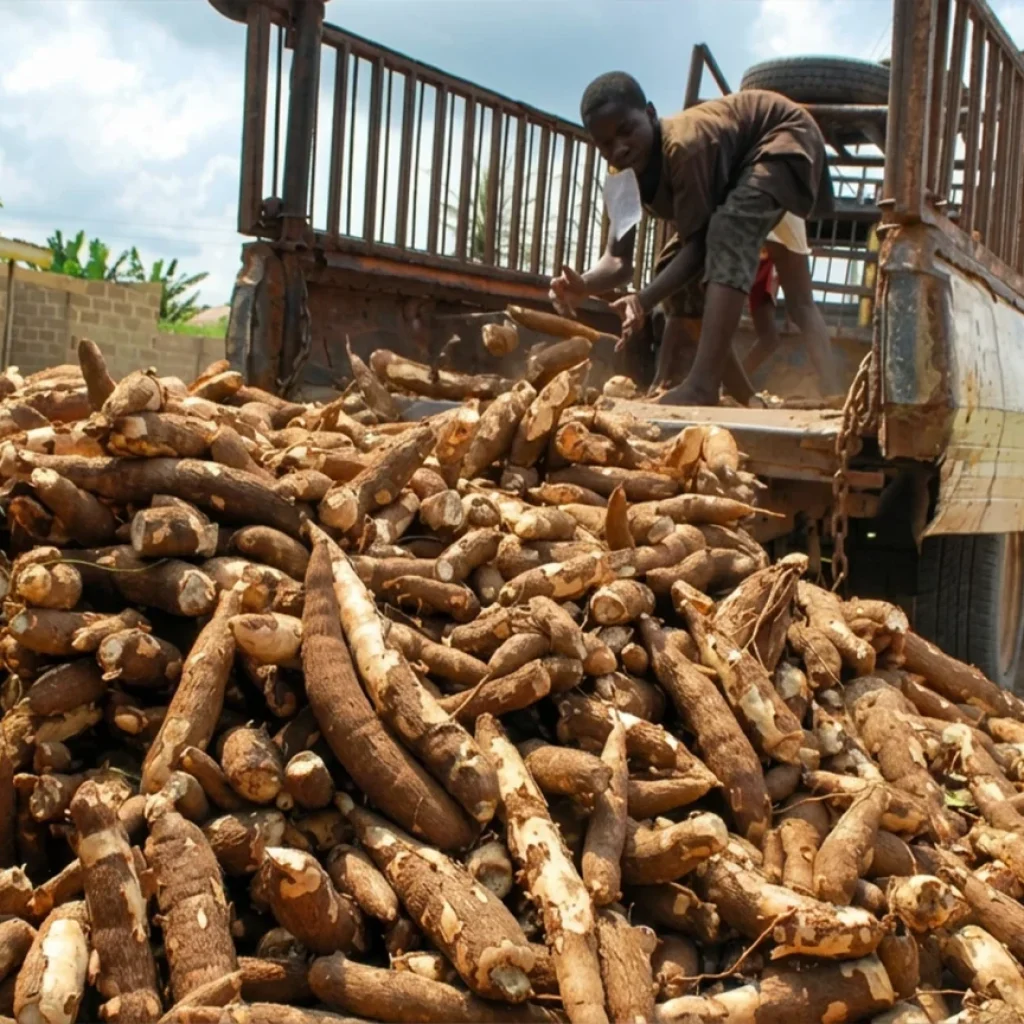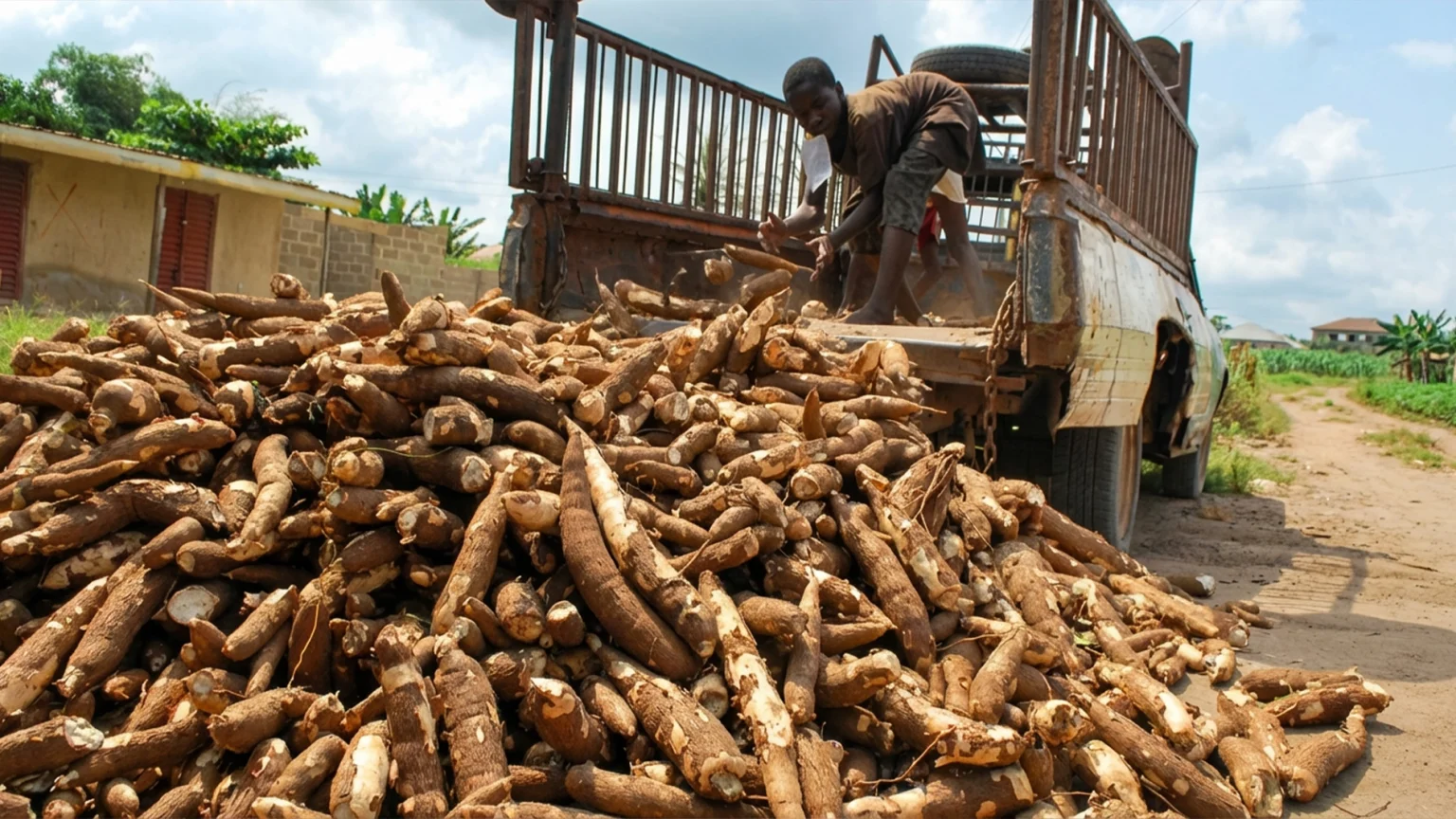
Limited investment is undermining the development of Nigeria’s local cassava processing industry, according to concerns raised by stakeholders in the agricultural sector. Cassava is one of Nigeria’s major crops and provides income for millions of farmers, while also serving as an important raw material for industries producing food, starch, ethanol, animal feed and other products. However, inadequate investment in processing facilities has continued to limit the ability of the sector to convert large volumes of cassava into higher-value products. Many farmers and processors face challenges including limited access to affordable financing, inadequate machinery, unreliable electricity, poor transportation networks and insufficient storage facilities. These constraints can increase production costs and lead to losses, particularly when cassava cannot be processed quickly after harvesting. Greater investment in modern processing equipment could improve productivity, reduce waste and create opportunities for farmers to earn more from their produce. It could also help Nigeria strengthen domestic value chains and reduce dependence on imported industrial and agricultural products. Stakeholders have repeatedly called for stronger collaboration between government agencies, financial institutions, private investors and farmers to address the financing gap affecting the sector. Affordable credit would enable processors to expand their facilities, purchase modern equipment and improve their ability to meet the demands of local and international markets. Improved infrastructure is equally important because efficient roads, electricity and storage systems can significantly reduce the cost of moving cassava from farms to processing centres. Developing the processing industry could also generate employment in rural communities and encourage young people to participate in agriculture and agribusiness. Nigeria has the potential to become a major producer and processor of cassava, but unlocking that potential will require sustained investment across the value chain. Experts believe stronger processing capacity would increase the economic value of cassava while supporting food security, industrial development and rural incomes. Addressing the investment gap could therefore transform cassava from primarily a raw agricultural commodity into a stronger source of industrial growth and economic opportunity.