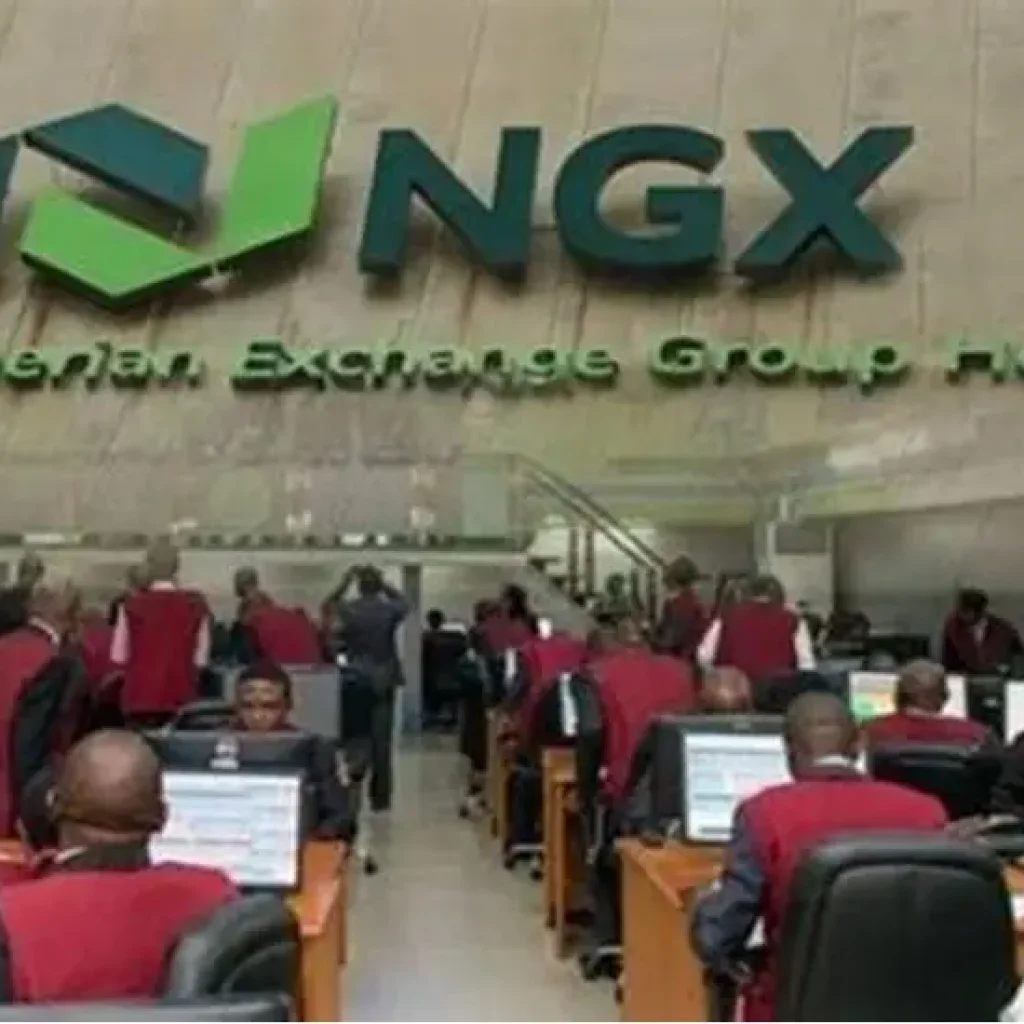
Weak sentiment among investors has wiped an estimated N544 billion from the value of Nigeria’s equity market, reflecting renewed pressure on share prices and cautious trading activity. The decline highlights the sensitivity of the stock market to investor confidence, economic conditions and expectations about corporate earnings. When sentiment weakens, investors may reduce their exposure to equities or delay new purchases, putting downward pressure on share prices and overall market capitalisation. Several factors can influence investor sentiment, including inflation, interest rates, exchange-rate movements, economic policy and concerns about the profitability of listed companies. Developments in the global economy can also affect Nigeria’s market, particularly when international investors adjust their portfolios in response to changing risks and returns. The reported N544 billion decline represents a substantial reduction in market value and could increase concerns among investors about short-term market performance. However, movements in market capitalisation can occur even without major changes to the underlying businesses because share prices respond continuously to buying and selling activity. Market analysts typically monitor trading volume, sector performance and corporate announcements when assessing the reasons behind significant changes in equity values. Investors are also likely to watch upcoming financial results for indications of how companies are coping with higher operating costs and broader economic pressures. Strong corporate earnings could help restore confidence if companies demonstrate resilience and maintain attractive returns. On the other hand, weaker results or continued economic uncertainty could prolong cautious sentiment. The Nigerian Exchange has experienced periods of strong gains and sharp corrections as investors respond to changing economic conditions and expectations. For long-term investors, market declines can create opportunities in fundamentally strong companies, although investment decisions depend on individual risk tolerance and financial objectives. The latest fall therefore underscores the importance of understanding the factors driving market movements rather than focusing solely on daily changes in market value. As trading continues, attention will remain on whether investor confidence improves and whether share prices stabilise. Developments in monetary policy, inflation, foreign exchange conditions and company earnings are likely to influence the market’s direction in the coming sessions.